Spain’s Airbnb Ban: 66,000 Rentals Cut to Ease Housing Crisis - Bio Points News
Spain orders Airbnb to remove 66,000 illegal listings to combat soaring rents and housing shortages. Discover the impact on tourism and locals in this bold crackdown.
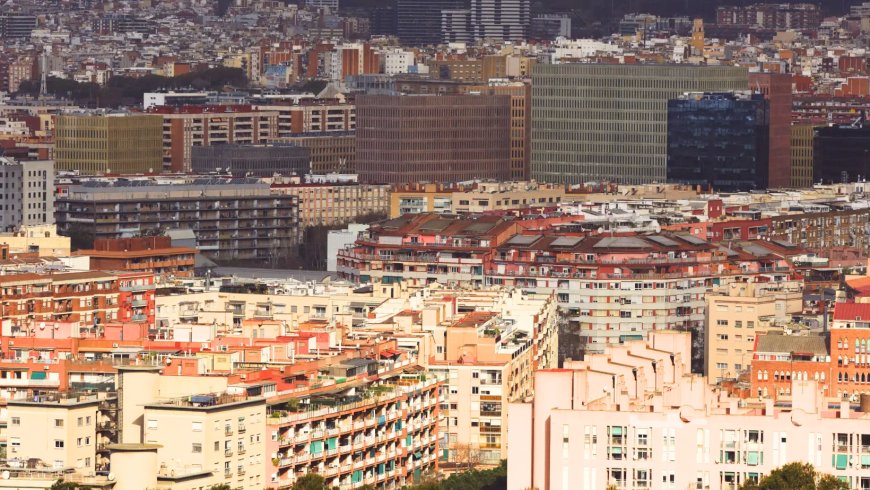
Spain’s Airbnb Crackdown: 66,000 Listings Ordered Removed Amid Housing Crisis
In a bold move to address one of Europe’s worst housing crises, the Spanish government on May 19, 2025, ordered Airbnb to remove 65,935 holiday rental listings from its platform, citing violations of local regulations. This crackdown, driven by soaring rents and housing shortages, reflects growing public frustration and marks a significant escalation in Spain’s efforts to prioritize affordable housing over tourism-driven profits. As protests against overtourism intensify, the decision has sparked debate about balancing economic benefits with residents’ needs.
The Crackdown: Targeting Illegal Listings
Regulatory Violations
The Spanish Consumer Rights Ministry, led by Minister Pablo Bustinduy, identified 65,935 Airbnb listings that failed to comply with housing laws. The violations include missing or fake license numbers and unclear ownership details, such as whether properties are managed by individuals or corporations. Madrid’s High Court upheld the order, mandating the immediate removal of 5,800 listings, with two subsequent orders to eliminate the remaining non-compliant ads. The affected listings span major regions like Madrid, Catalonia (including Barcelona), Andalusia, Valencia, the Balearic Islands, and the Basque Country.
A Broader Housing Crisis
Spain’s housing affordability crisis, exacerbated since the 2008 real estate bubble collapse, has reached a boiling point. Official data from November 2023 shows 321,000 registered holiday rentals, a 15% increase since 2020, with many more operating unlicensed. Rising rental costs, driven by the conversion of residential properties into short-term rentals, have priced locals out of cities like Madrid and Barcelona. Mass demonstrations, including a 10,000-strong protest in Palma, Majorca, in May 2024, have highlighted public anger, with slogans like “Tourists go home” and “SOS residents” reflecting the crisis’s severity.
Spain’s Regulatory Push
Government and Local Actions
Consumer Rights Minister Pablo Bustinduy emphasized the government’s commitment to ending “illegality” in the holiday rental sector, stating, “Enough already with protecting those who make a business out of the right to housing.” Spain’s broader strategy includes:
-
Barcelona’s Ban: In June 2024, Mayor Jaume Collboni announced a plan to phase out all 10,000 licensed short-term rentals by 2028, converting them to long-term, rent-controlled housing or requiring their sale.
-
Regional Measures: Málaga imposed a three-year freeze on new tourist rental licenses in 43 districts, while Alicante approved a two-year ban to regulate the market.
-
National Initiatives: Prime Minister Pedro Sánchez proposed a 100% tax on foreign real estate investors and plans to build more affordable housing. In December 2024, Spain’s Supreme Court ruled that homeowners’ associations could ban tourist rentals with a three-fifths majority.
These measures aim to curb overtourism and restore housing access for locals, with cities like Seville even threatening to cut off water to unlicensed rentals.
Airbnb’s Response and Counterarguments
Appealing the Decision
Airbnb announced it will appeal the government’s order, arguing that the Consumer Rights Ministry lacks authority to regulate short-term rentals and used an “indiscriminate methodology” to target listings, including those not requiring licenses. The company stated it will keep the 65,935 listings active until the appeal process concludes. Airbnb also contends that the housing crisis stems from a lack of supply, not short-term rentals, asserting, “The solution is to build more homes—anything else is a distraction.” This stance has drawn criticism, with X users like @AlvaApp noting that the crackdown aims to “cool off rent inflation” and return housing to long-term markets.
Economic Impact Concerns
Airbnb argues that strict regulations harm local families who rely on hosting income and could raise accommodation costs for tourists. The company claims the measures contradict EU and Spanish law, citing a previous Spanish Supreme Court ruling. However, public sentiment, as seen in posts on X, is mixed. While @thee_alfa_house supports the move as a step to balance housing needs, @lukeNukemAI warns it could “crush small property owners” and deter investors, potentially worsening the crisis.
The Bigger Picture: A Global Trend
Europe’s Housing Woes
Spain’s actions mirror broader efforts across Europe to regulate short-term rentals. Croatia and Italy have introduced similar restrictions, while cities like Amsterdam, Edinburgh, and New York have faced comparable housing challenges without significant relief from rental bans. In Spain, the crisis is acute: construction has lagged since the 2008 crash, and the conversion of homes into tourist rentals has reduced long-term housing stock. A 2024 Madrid Town Hall report identified over 15,200 illegal tourist rentals in the city alone.
Overtourism and Local Backlash
The proliferation of holiday rentals has fueled anti-tourism sentiment, with protests in Barcelona, Majorca, and other hotspots. British holidaymakers, a key tourism demographic, are reportedly deterred by perceptions of being unwelcome, according to Jet2 CEO Steve Heapy. The housing crisis has left hundreds homeless, with some resorting to sleeping in airports, underscoring the urgency of Spain’s reforms.
What Can Tourists Do?
Responsible Travel Options
As Spain tightens regulations, tourists can help mitigate the crisis by:
-
Choosing Licensed Rentals: Verify that Airbnb listings display valid license numbers to support compliant hosts.
-
Opting for Shared Spaces: Renting a room in a local’s home rather than an entire apartment reduces pressure on housing stock.
-
Supporting Hotels or Hostels: These options are less likely to impact residential housing availability.
-
Exploring Less Touristy Areas: Visiting smaller towns or off-peak seasons can ease strain on urban centers like Barcelona and Madrid.
Travelers may face higher accommodation costs and fewer options as supply shrinks, with X user @AlvaApp predicting “price bumps” and “tight weekends” for tourists.
Looking Ahead: Balancing Tourism and Housing
Spain’s crackdown on Airbnb is a pivotal step in addressing a housing crisis that has left many residents priced out of their own cities. While the government’s measures aim to restore affordable housing, they risk disrupting tourism, a key economic driver. The debate continues, with supporters like @DeepaParent on X praising the move to prioritize locals, while critics argue it punishes small-scale hosts. As Spain builds more social housing and enforces stricter regulations, the outcome of Airbnb’s appeal and the long-term impact on both residents and tourists remain uncertain.
For more updates on global trends and digital security, visit Bio Points News.
What's Your Reaction?
 Like
0
 Dislike
0
 Love
0
 Funny
0
 Angry
0
 Sad
0
 Wow
0