Lindsay Clancy Trial Ends in Mistrial After Jury Deadlock
Lindsay Clancy trial ends in mistrial after a jury deadlock. Here’s what happened, why there was no verdict and what could happen next in the case.
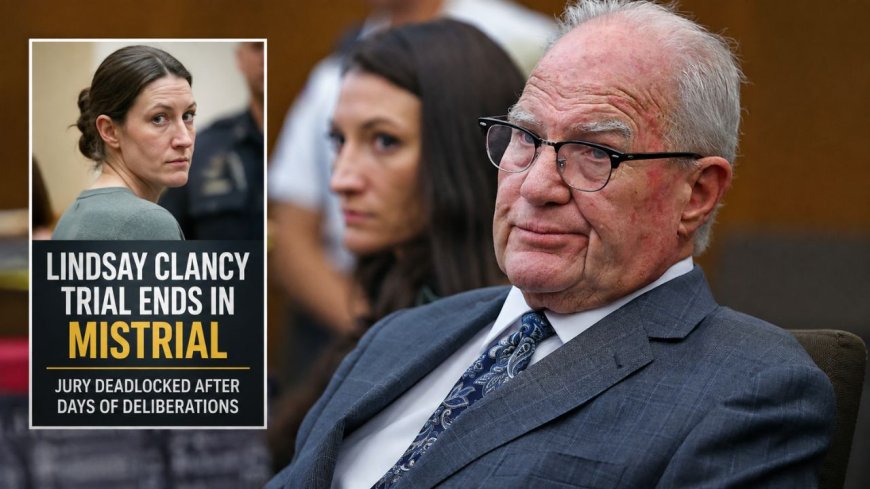
The Lindsay Clancy trial ended without a verdict on September 4, 2026, after jurors failed to reach a unanimous decision in the Massachusetts case involving the deaths of her three children. Judge William Sullivan declared a mistrial after the jury remained deadlocked following days of deliberations. The development means the case is not over, and prosecutors must now decide whether to seek a new trial.
The 36-year-old former labor and delivery nurse from Duxbury, Massachusetts, has been charged in connection with the January 2023 deaths of Cora, 5, Dawson, 3, and Callan, 8 months. Clancy has not disputed that she killed the children, but her defense has argued that severe postpartum psychosis made her not criminally responsible for her actions. Prosecutors presented a different account, arguing that the killings were intentional and that evidence showed planning and awareness.
The trial lasted about six weeks and included more than 80 witnesses and roughly 300 exhibits, according to Reuters reporting during deliberations. The jury ultimately spent several days attempting to resolve the central question of criminal responsibility but could not reach the unanimous verdict required to end the case. The mistrial therefore does not mean Clancy was found guilty or acquitted.
What happened in the Lindsay Clancy trial?
The immediate turning point came during jury deliberations, when jurors repeatedly told Judge Sullivan that they could not agree. The judge previously gave the jury a special Massachusetts instruction intended to encourage continued discussion after a deadlock. After the impasse continued, the court ultimately declared a mistrial on September 4.
Reports indicate the jury was divided 11 to 1 when the mistrial was declared. Clancy's defense attorney Kevin Reddington had also challenged a juror during the final stage of deliberations, arguing that the juror was not properly applying the court's instructions concerning reasonable doubt. Judge Sullivan declined to remove the juror, and deliberations continued before the court ended the trial without a verdict.
Why did the jury fail to reach a verdict?
The disagreement centered on one of the most difficult questions in the case: whether Clancy should be held criminally responsible for the deaths or whether her mental state prevented her from understanding the nature or wrongfulness of her actions. Her defense relied heavily on evidence concerning postpartum psychosis, psychiatric treatment, medication and the deterioration of her mental health before the killings.
Prosecutors disputed that interpretation and pointed to evidence they said supported an intentional and planned attack. The competing explanations placed Clancy's mental condition at the heart of the trial. Her former husband, Patrick Clancy, testified about her mental-health deterioration and has publicly expressed forgiveness toward her, adding another emotional dimension to the proceedings.
What happens after the Lindsay Clancy mistrial?
A mistrial caused by a deadlocked jury does not resolve the underlying criminal charges. The prosecution can seek to try the case again, while the defense can continue challenging the government's case or pursue other legal options. The next major development is expected at a court hearing scheduled for September 29, 2026, when the parties can address the future of the proceedings.
For now, there is no criminal verdict establishing Clancy's guilt or innocence. She remains in custody at Tewksbury State Hospital while the legal process continues. If prosecutors pursue a retrial, the central dispute over mental illness and criminal responsibility is likely to remain a major issue, although the precise strategy of either side has not yet been determined publicly.
What happened to Lindsay Clancy’s children?
Clancy's three children, Cora, Dawson and Callan, died on January 24, 2023, at the family's Duxbury home. Prosecutors allege that Clancy strangled the children while her husband, Patrick, was away from the house. Patrick returned later that evening and found Clancy injured after she had gone through a second-story window in an apparent suicide attempt. She survived but suffered severe injuries that left her paralyzed.
The tragedy later became the subject of intense public discussion about postpartum mental illness and the ability of the healthcare system to recognize and respond to severe psychiatric symptoms. Patrick Clancy has also filed a wrongful-death lawsuit against medical providers, alleging negligent treatment of Lindsay before the children's deaths. That civil case is separate from the criminal prosecution and does not determine whether Clancy is criminally responsible.
Frequently Asked Questions
Did Lindsay Clancy receive a verdict?
No. The jury could not reach a unanimous verdict, so Judge William Sullivan declared a mistrial on September 4, 2026. A mistrial is not an acquittal and does not establish that Clancy is guilty or innocent.
Will Lindsay Clancy be retried?
A retrial is possible, but the prosecution must decide how it wants to proceed. A hearing scheduled for September 29, 2026, is expected to provide the next significant update on the case.
What was the defense argument in the case?
The defense argued that Clancy was suffering from severe postpartum psychosis and therefore should not be held criminally responsible for the killings. Prosecutors rejected that explanation and argued that the evidence showed she intentionally carried out the deaths.
What's Your Reaction?
 Like
0
 Dislike
0
 Love
0
 Funny
0
 Angry
0
 Sad
0
 Wow
0