Dissociative Identity Disorder: The Fractured Mind Behind Multiple Personalities - Bio Points News
Dissociative Identity Disorder (DID) is a rare and complex mental health condition where one person lives with multiple identities. Here's what causes it, how it affects patients, and the road to healing.
The Reality Behind a Split Identity
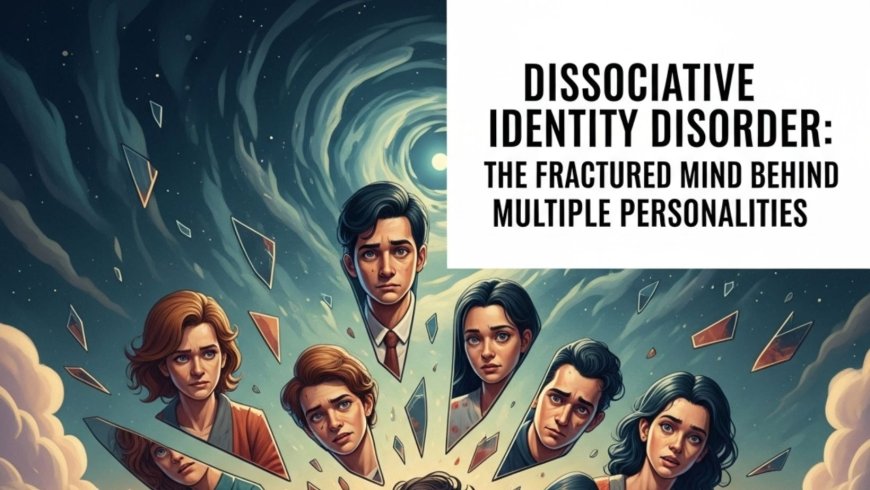
In the vast world of mental health disorders, Dissociative Identity Disorder (DID) stands out as one of the most mysterious and misunderstood conditions. Formerly known as Multiple Personality Disorder, DID is a serious psychological disorder in which an individual harbors two or more distinct identities, each with its own memory, behavior, and perception of the world.
Unlike common misconceptions, DID is not just about switching moods or behaviors. It’s about living as multiple people in one body, often without awareness of what the other identities are doing.
What Triggers DID?
At the heart of DID is severe, often prolonged childhood trauma. This trauma may be physical, emotional, or sexual. In an attempt to protect the core self from overwhelming pain, the brain creates alternative identities to absorb and contain the traumatic experiences.
These identities are not imaginary. They develop as coping mechanisms, often surfacing during stressful events or flashbacks. Each personality, or "alter", may have a unique voice, gender, age, and even handwriting.
What Does a DID Patient Experience?
Those with DID often describe feeling like strangers live inside their own mind. One personality may be calm and intellectual, while another could be aggressive or childlike. When one identity takes control, the person often has no memory of what happened during that period.
This disconnection can be terrifying. Patients may find objects they don’t remember buying, receive compliments on things they don’t recall doing, or even travel somewhere without memory of the journey.
Real-Life Stories of Survival
Some of the most compelling cases of DID have shed light on the condition’s emotional depth. Shirley Mason, famously portrayed in the film Sybil, had 16 documented personalities. Her story, though later debated, helped introduce DID into mainstream conversation.
Another powerful example is Kim Noble, a British artist who developed over 20 personalities after surviving childhood abuse. Each of her alters paints in a unique style, representing the fragmented yet expressive nature of her inner world.
Can DID Be Treated?
While there is no quick cure, many patients with DID can manage their condition with consistent therapy. Psychological approaches such as EMDR (Eye Movement Desensitization and Reprocessing) and Internal Family Systems Therapy are commonly used to help integrate or harmonize the different personalities.
Recovery often involves understanding the trauma, building trust among the alters, and gradually creating internal cooperation. It is a long journey, but many patients show remarkable resilience and improvement over time.
A Call for Compassion
Dissociative Identity Disorder isn’t a plot from a movie — it’s a lived experience marked by deep pain and immense strength. These individuals are not dangerous; they are survivors of unthinkable trauma trying to live full lives.
Understanding DID means acknowledging the complexity of the human mind and offering empathy rather than judgment. In doing so, we support not just those with DID, but also the broader movement for mental health awareness and acceptance.
What's Your Reaction?
 Like
0
 Dislike
0
 Love
0
 Funny
0
 Angry
0
 Sad
0
 Wow
0