Yellow Fever: A Deadly Mosquito-Borne Disease Resurfaces - Bio Points News
Yellow fever, a mosquito-borne viral disease, poses a growing global health risk with rising cases and high fatality rates. Learn its causes and symptoms now.
Yellow Fever: A Deadly Mosquito-Borne Threat Making a Global Comeback
In an era where infectious diseases can swiftly cross borders through increased travel and urbanization, yellow fever — a deadly, mosquito-borne illness — is emerging as a serious global health concern. Though primarily endemic to parts of Africa and South America, health experts now warn it could become a worldwide threat if preventive measures are not urgently adopted.
Recent research published in the journal NPJ Viruses highlights the alarming potential of yellow fever to spread rapidly in densely populated areas. The report emphasizes the urgent need for effective vaccination programs, public awareness campaigns, and enhanced surveillance systems to prevent a possible epidemic.
Let’s take a closer look at this often-overlooked disease, its causes, symptoms, and what global health organizations are doing to control its spread.
What is Yellow Fever?
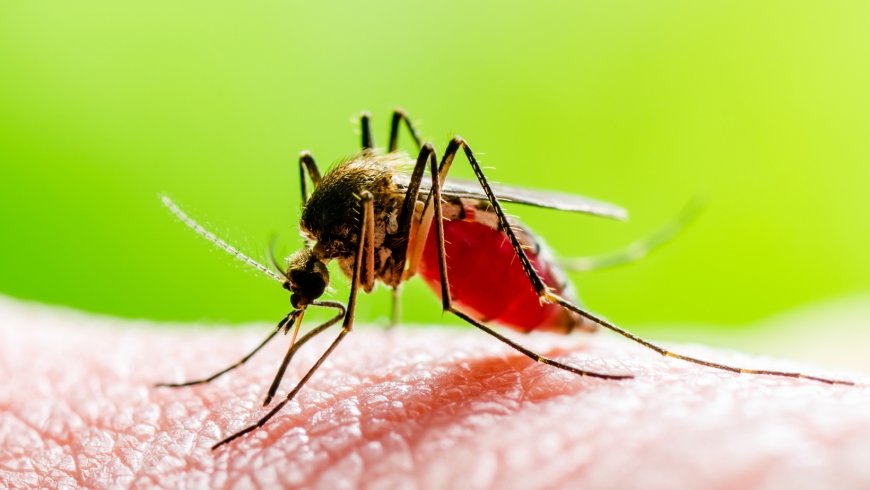
Yellow fever is a severe viral disease transmitted to humans by the bite of infected mosquitoes, primarily Aedes aegypti and Haemagogus species. The disease derives its name from one of its most recognizable symptoms: jaundice, which causes the skin and eyes to turn yellow due to liver damage.
While some infected individuals experience only mild flu-like symptoms, others develop life-threatening complications such as internal bleeding, organ failure, and high-grade fever.
How Does Yellow Fever Spread?
The yellow fever virus is typically transmitted in a cycle involving mosquitoes, non-human primates (like monkeys), and humans. When a mosquito feeds on the blood of an infected animal or person, it can then spread the virus to others through its bite.
Major Factors Behind Its Spread:
-
Uncontrolled urbanization
-
Increased international travel
-
Lack of consistent vaccination programs
-
Poor mosquito control in tropical and subtropical regions
Experts warn that without proper precautions, yellow fever could easily travel to new regions, including parts of Asia and the Middle East, where Aedes mosquitoes already exist.
Recognizing the Symptoms of Yellow Fever
Yellow fever’s symptoms typically appear 3 to 6 days after a mosquito bite. The disease progresses in two distinct phases:
Initial (Acute) Phase:
-
High fever
-
Chills
-
Severe muscle pain (especially in the back and legs)
-
Nausea and vomiting
-
Headache and dizziness
-
Redness in the eyes and tongue
These symptoms generally last 3 to 4 days and may subside temporarily before entering the toxic phase.
Toxic Phase:
Approximately 15% of infected individuals enter a more severe stage, which can include:
-
Jaundice (yellowing of skin and eyes)
-
Abdominal pain
-
Vomiting blood
-
Bleeding from the eyes, mouth, and nose
-
Kidney failure
-
Rapid heartbeat
-
Seizures and delirium in extreme cases
The fatality rate during the toxic phase can range between 7.5% and 50%, according to World Health Organization (WHO) estimates.
Yellow Fever in Numbers
-
An estimated 200,000 cases of yellow fever are reported worldwide each year.
-
It causes about 30,000 deaths annually.
-
The fatality rate can reach up to 50% in severe cases without treatment.
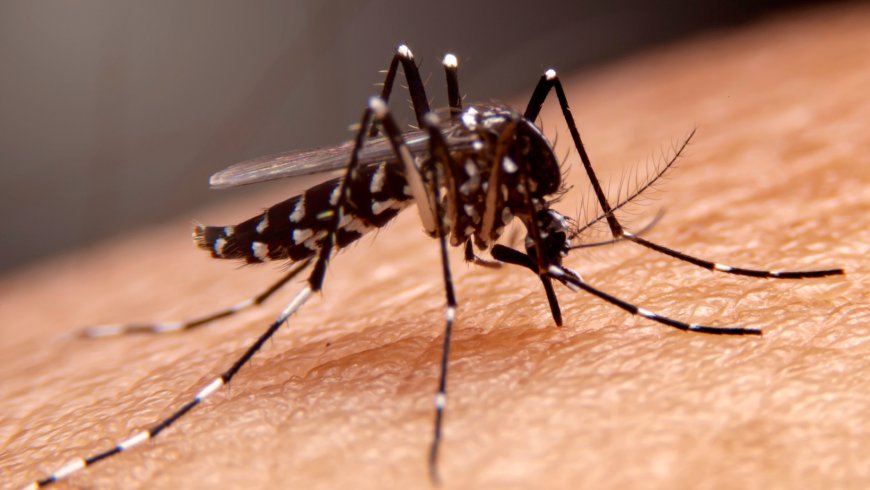
How to Identify the Aedes Aegypti Mosquito
Aedes aegypti is the primary carrier of yellow fever. It’s easily identifiable due to:
-
Black and white striped legs
-
A distinctive lyre-shaped marking on its thorax
-
Preference for urban areas with stagnant water sources
This mosquito is also responsible for transmitting other dangerous viruses such as dengue, Zika, and chikungunya.
Prevention and Control Measures
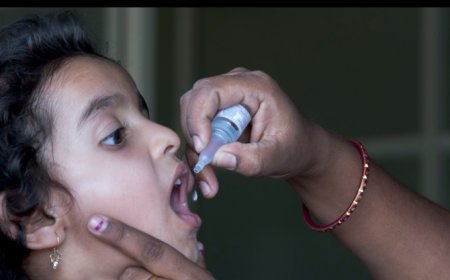
According to the World Health Organization, vaccination remains the most effective and reliable method to prevent yellow fever. A single dose of the yellow fever vaccine provides lifelong protection.
Recommended Control Strategies:
-
Strengthening global and national surveillance systems
-
Public health education and awareness campaigns
-
Regular mosquito control efforts in high-risk areas
-
Travel advisories and vaccination requirements for international travelers
-
Emergency stockpiles of vaccines for outbreak containment
The Global Health Community’s Response
Leading health experts have urged governments worldwide to invest in stronger epidemic preparedness systems. This includes improving disease monitoring, maintaining sufficient vaccine supplies, and launching public awareness campaigns in vulnerable regions.
Without these interventions, there’s a real risk that yellow fever could expand into non-endemic regions, especially given the widespread presence of Aedes aegypti mosquitoes in many urban centers globally.
Conclusion
Yellow fever is a dangerous, often fatal disease that can no longer be dismissed as a problem limited to isolated tropical regions. In today’s interconnected world, proactive vaccination campaigns, mosquito control, and public education are essential to prevent a potential global health crisis.
For more updates on cybersecurity and digital threats, visit {{Bio Points News}}.
What's Your Reaction?
 Like
0
 Dislike
0
 Love
0
 Funny
0
 Angry
0
 Sad
0
 Wow
0