Nepal Floods: 165 Dead After Glacial Collapse
Nepal floods killed at least 165 people after a glacial collapse triggered a debris surge, with more than 1,500 people still missing as rescuers search.
What happened in Nepal?
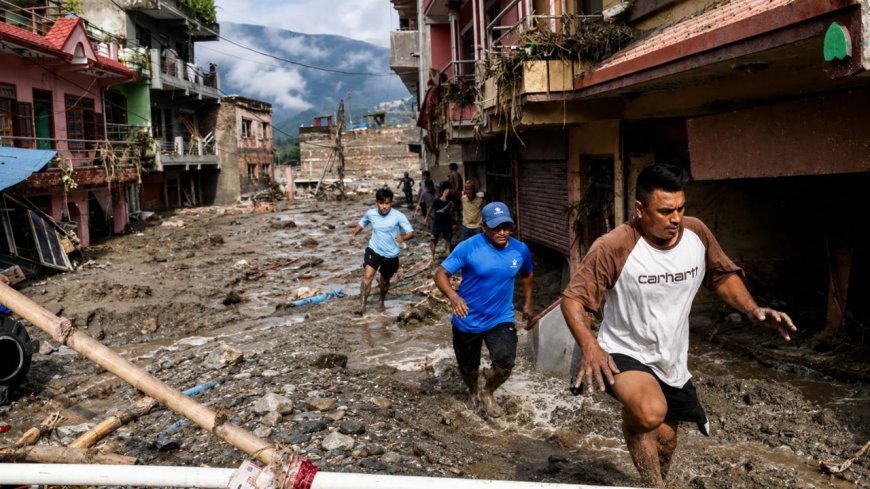
The Nepal floods began after a massive collapse of ice and rock in the Himalayan border region triggered a sudden torrent of water, mud and debris. At least 165 people have been confirmed dead, while nearly 1,500 people are reported missing across Nepal and China's Tibet region as rescue teams continue searching damaged communities and border areas.
The disaster struck on Wednesday in the mountainous area around the Nepal-China border. The worst destruction was reported in Rasuwa district, where the Lhende Khola feeds into the Bhote Koshi and Trishuli river systems. The surge destroyed homes, bridges, roads and other infrastructure, while mud and debris also struck the Chinese side of the border in Tibet.
The event was especially devastating because the flood arrived with little warning. Reports indicate that it was not a conventional rain-driven flood. Instead, a high-altitude collapse sent enormous quantities of ice, rock and sediment into the river system, producing a fast-moving debris flow that travelled downstream through narrow Himalayan valleys.
What caused the Nepal flash floods?
Scientists and authorities say a glacial collapse was the likely trigger. Satellite analysis indicated that a large section of ice and rock broke away at roughly 5,200 metres above sea level and fell about 1,200 metres toward the valley floor. The collapse gathered rock, sediment and water as it moved, creating a destructive mixture that entered the Lhende river system.
Early reports suggested that an earthquake might have triggered the collapse. That explanation was later rejected by the United States Geological Survey. Its analysis found that the seismic signal initially interpreted as an earthquake was actually produced by the collapse of glacial ice and rock and the resulting debris flow. The event registered as a strong seismic signal, but officials said no earthquake had occurred.
The distinction matters because the disaster demonstrates how a mountain collapse can produce an earthquake-like signal without an earthquake being the original cause. Once the ice and rock hit the valley, the resulting debris rapidly transformed the river into a powerful flow capable of carrying huge amounts of sediment, boulders and water downstream.
Why did the river rise so quickly?
The geography of the Himalayas made the event particularly dangerous. The affected rivers run through steep, confined valleys, leaving little room for an expanding flood wave. Experts cited by The Guardian said water levels on the Trishuli River rose by as much as nine metres in about 30 minutes.
The initial collapse also appears to have created a temporary blockage in the river. When that natural obstruction failed, water and debris were released downstream with enormous force. Such a sequence can turn a relatively localized mountain collapse into a much larger flood disaster affecting communities many kilometres away.
The Lhende Khola was among the most heavily affected waterways. Its flow feeds into the Bhote Koshi and then the Trishuli, carrying the flood south through Nepal. Communities farther downstream, including areas in Nuwakot and Dhading districts, also faced destruction and disruption.
Where is the disaster happening?
The worst-affected area is in northern Nepal's Rasuwa district, close to the Chinese border. Timure and Syapru Besi were among the Nepalese settlements affected by the disaster, while the flood also damaged the important Rasuwagadhi border area.
Across the border, mud and debris reached Gyirong Port in China's Tibet region. The border crossing is an important transport and trade route between Nepal and China, making the disaster significant not only for local communities but also for regional movement and commerce.
From the affected Himalayan valleys, the Trishuli River continues southward through Nepal before joining the Narayani River. The river system eventually reaches India, where the Narayani is known as the Gandak. That geography explains why authorities have also been watching downstream areas for additional flood risks.
How many people are dead or missing?
At least 165 deaths have been reported, but the final toll is expected to change as rescuers reach isolated areas and authorities reconcile separate missing-person reports from Nepal and Tibet. Reuters reported that nearly 1,500 people were missing across the two sides of the border, including more than 700 foreigners.
The figures include tourists, pilgrims, local residents and workers. The region is visited by international travellers because of its proximity to major Himalayan routes and religious destinations, including the Mount Kailash pilgrimage route in Tibet.
Authorities have warned that the missing-person numbers should be treated cautiously while rescue agencies verify identities and determine whether some reports refer to the same people. Difficult terrain, destroyed roads and communications problems have made that process particularly challenging.
Why were so many people caught by surprise?
One of the most important features of this disaster is the speed at which it developed. A conventional flood caused by prolonged rainfall can sometimes give communities hours or days to prepare. A sudden glacial collapse and debris flow can provide far less warning, particularly in remote mountain valleys where monitoring infrastructure is limited.
Officials and scientists are now examining whether improved monitoring of unstable glaciers, mountain slopes and river blockages could provide earlier warnings in similar locations. The disaster has also renewed attention on the vulnerability of Himalayan communities as glaciers retreat and mountain systems become increasingly unstable.
Is climate change linked to the Nepal disaster?
Scientists have cautioned against saying that climate change directly caused this individual collapse without further research. However, the broader Himalayan environment is undergoing significant warming and glacier loss, which can alter mountain slopes, increase the availability of meltwater and contribute to conditions that raise the risk of landslides, avalanches and other high-altitude hazards.
The Hindu Kush Himalaya region has experienced substantial changes in its glaciers over recent decades. Nepal also contains thousands of glacial lakes, some of which have been identified as potentially dangerous. These conditions mean that communities downstream can face several different forms of mountain flood risk, including sudden debris flows and glacial lake outburst floods.
Researchers will need more satellite data, field observations and geological analysis before determining exactly how much warming influenced this particular collapse. For now, the clearest finding is that the immediate trigger was a major ice-and-rock collapse followed by a catastrophic debris flow.
Could another flood happen?
Authorities are also watching for secondary hazards. Reports indicate that water and debris have created blockages in parts of the upstream river system, raising concern that another sudden release could produce additional flooding.
That risk makes the rescue operation more complicated. Teams must search for survivors while also monitoring unstable slopes, blocked waterways and damaged bridges. Heavy sediment can slow vehicles and machinery, while damaged electricity and communications infrastructure can make it difficult for rescuers to coordinate operations.
Thousands of police, military personnel and emergency workers have been involved in the response. Helicopters are being used where roads are destroyed or inaccessible, while international governments and humanitarian organisations are working to establish the whereabouts of foreign nationals reported missing.
What happens next?
The immediate priority is locating survivors and recovering people who remain missing. Search teams face difficult conditions across mountain roads and river valleys, with debris covering roads and infrastructure and some locations accessible only by air.
The longer-term challenge will be rebuilding communities and transport links while assessing the safety of damaged river corridors. Roads, bridges, power facilities and border infrastructure have all been affected, potentially disrupting trade and travel between Nepal and China.
The disaster is also likely to prompt renewed scrutiny of early-warning systems in Himalayan communities. Better satellite monitoring, river sensors and rapid communication networks could help authorities identify dangerous changes in glaciers, rivers and unstable slopes before a similar event reaches populated areas.
Frequently asked questions about the Nepal floods
What caused the flash flood in Nepal?
A major collapse of glacial ice and rock in the Himalayas triggered a debris flow that entered the Lhende river system. The surge then moved downstream through the Bhote Koshi and Trishuli rivers.
Was an earthquake responsible for the flood?
No. Early reports suggested an earthquake, but the USGS later determined that the seismic signal was generated by the glacial collapse and debris flow. No earthquake caused the disaster.
Where did the Nepal flood happen?
The worst damage occurred in Rasuwa district near the Nepal-China border, including areas around Timure and the Rasuwagadhi crossing. Flooding and debris then spread farther downstream along the river system.
How many people died in the Nepal disaster?
At least 165 people had been confirmed dead in the latest reports available on August 27, although the number may increase as search and recovery operations continue.
How many people are missing?
Nearly 1,500 people were reported missing across Nepal and China's Tibet region, although authorities are still verifying the figures and checking for possible duplicate reports.
Is climate change responsible?
Scientists say climate change is increasing instability and glacier loss across the Himalayas, but further research is needed to determine its precise role in this individual glacial collapse.
Editorial note: Casualty and missing-person figures in this developing disaster may change as authorities verify reports and rescue teams reach isolated areas. This article should be updated as official information becomes available.
What's Your Reaction?
 Like
0
 Dislike
0
 Love
0
 Funny
0
 Angry
0
 Sad
0
 Wow
0