Canadian Food Prices Set to Rise Sharply in 2026 - Bio Points News
Canadian food prices are expected to rise 4–6% in 2026, pushing the annual grocery bill for a family of four close to $17,600, experts warn.
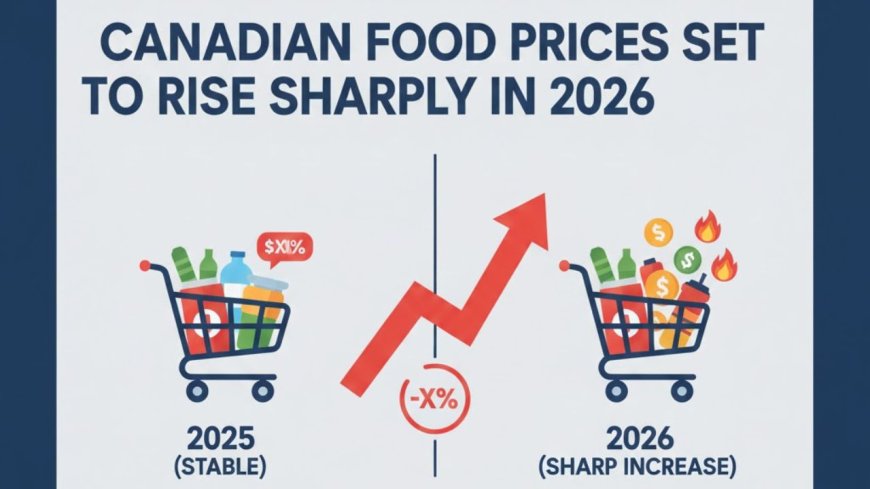
Canadian households are likely to face higher grocery bills in 2026 as food prices are projected to rise significantly. According to experts, ongoing inflation, climate-related disruptions, and rising meat costs could put additional strain on family budgets across the country.
Food Price Increase Forecast for 2026
New projections suggest food prices in Canada will increase by 4 to 6 percent in 2026. If these forecasts hold, the average annual grocery bill for a family of four could rise to around $17,571, nearly $1,000 more than in the previous year.
Experts say this increase will be felt across most food categories, making everyday essentials more expensive for households already dealing with high living costs.
Why Food Prices Are Rising
Several key factors are expected to drive food prices higher. One of the biggest contributors is the rising cost of beef, as cattle supplies remain tight and production costs continue to grow. Trade-related challenges are also affecting food imports and exports, resulting in increased prices along the supply chain.
In addition, extreme weather events linked to climate change—such as droughts, floods, and heatwaves—have disrupted farming and transportation. These conditions reduce crop yields and increase costs for producers, which are eventually passed on to consumers.
Food Inflation in Canada
Food prices in Canada have been under pressure for several years, especially since the global disruptions caused by the COVID-19 pandemic. While inflation slowed in some sectors, groceries have remained costly due to supply chain changes, higher fuel prices, and ongoing labor challenges in agriculture and food processing.
Annual food price reports have consistently warned that without major changes in production and trade conditions, grocery costs would remain elevated.
Recent Developments and Expert Insights
The latest food price outlook for 2026 is based on the analysis of economic and food policy experts who closely monitor consumer price trends. Analysts note that while overall inflation may stabilize, food costs are more sensitive to environmental conditions and global market shifts.
Some provinces may see higher-than-average increases, depending on local supply issues and transportation costs. Experts advise consumers to prepare for continued price pressure rather than expect relief in the short term.
With food prices expected to rise further in 2026, Canadian families may need to plan carefully to manage their grocery budgets. While the increase reflects broader economic and environmental challenges, the forecast highlights the growing impact of inflation on everyday life. Staying informed and adjusting spending habits may become increasingly important for households across the country.
What's Your Reaction?
 Like
0
 Dislike
0
 Love
0
 Funny
0
 Angry
0
 Sad
0
 Wow
0