US-Iran News: Strait of Hormuz Risks Persist Despite Truce
US-Iran news remains tense as the Strait of Hormuz faces shipping restrictions despite a military pause, keeping oil markets and global trade on edge.
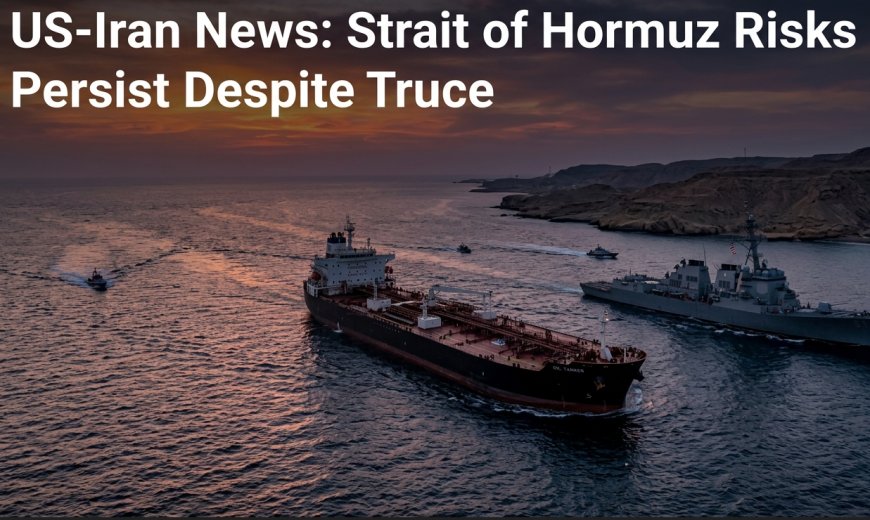
US-Iran news remains focused on the Strait of Hormuz after Washington paused its recent bombing campaign while Tehran said it is not seeking negotiations. Although military strikes have stopped for now, shipping restrictions and naval monitoring continue, keeping global energy markets and commercial trade under pressure.
Why the Strait of Hormuz remains the real story
While headlines have centered on the temporary halt in U.S. military operations, the bigger issue is the continued disruption to one of the world's most important shipping routes. The Strait of Hormuz carries a significant share of internationally traded crude oil every day. Even without active airstrikes, commercial vessels are still operating under heightened security conditions. Shipping companies remain cautious because military assets from both sides continue to patrol the region, increasing operational costs and slowing maritime traffic.
Iran says control of the waterway has not changed
Iranian officials have repeated that they maintain authority over navigation within their territorial waters and insist there are currently no direct negotiations with the United States. Tehran has also indicated that its restraint depends on Washington continuing to pause military attacks. This position leaves the informal truce fragile, with both governments signaling they are prepared to respond if hostilities resume. Diplomatic contacts through regional mediators remain possible but have not developed into formal talks.
Oil prices fell, but energy markets remain cautious
Global crude prices declined after the U.S. paused airstrikes because investors viewed the move as reducing the immediate risk of wider conflict. However, analysts warn that lower prices do not necessarily reflect a full recovery in supply chains. Shipping volumes through the Strait of Hormuz remain well below normal, meaning delays and transportation costs could continue affecting international oil markets if maritime conditions fail to improve.
Commercial shipping still faces uncertainty
Military vessels from both sides continue monitoring commercial traffic in and around the Persian Gulf. Tankers are following stricter navigation procedures while insurers carefully assess regional risks before approving voyages. Until confidence returns, many shipping operators are expected to remain cautious even without renewed airstrikes.
What happens next in US-Iran relations?
The next phase depends largely on whether the current military pause develops into broader diplomatic engagement. If both sides avoid further attacks, commercial shipping may gradually recover. However, any new confrontation around the Strait of Hormuz could quickly reverse recent market optimism and once again raise concerns about global energy supplies and regional security.
Want to know more about the people involved? Read complete biographies at BiographyPoints.com
Frequently Asked Questions
What is the latest US-Iran news?
The United States has paused recent military strikes while Iran says it is not currently negotiating with Washington. Despite the pause, military monitoring and restrictions around the Strait of Hormuz continue, leaving shipping and energy markets cautious.
Is there still a US-Iran war?
There is no declared full-scale war. Current developments involve an informal pause in military action, although tensions remain high and both countries continue maintaining strong military positions in the region.
Why is the Strait of Hormuz important?
The Strait of Hormuz is one of the world's busiest oil shipping routes. Any disruption can affect fuel supplies, shipping costs, and global energy prices, making it a key focus during regional conflicts.
What's Your Reaction?
 Like
0
 Dislike
0
 Love
0
 Funny
0
 Angry
0
 Sad
0
 Wow
0