Israel Approves Gaza Capture Plan, Sparking Global Outcry Over Humanitarian Crisis - Bio Points News
Israel's security cabinet has approved a military plan to capture Gaza, intensify attacks on Hamas, and relocate 2.1 million Palestinians south, raising serious humanitarian concerns. Full story here.
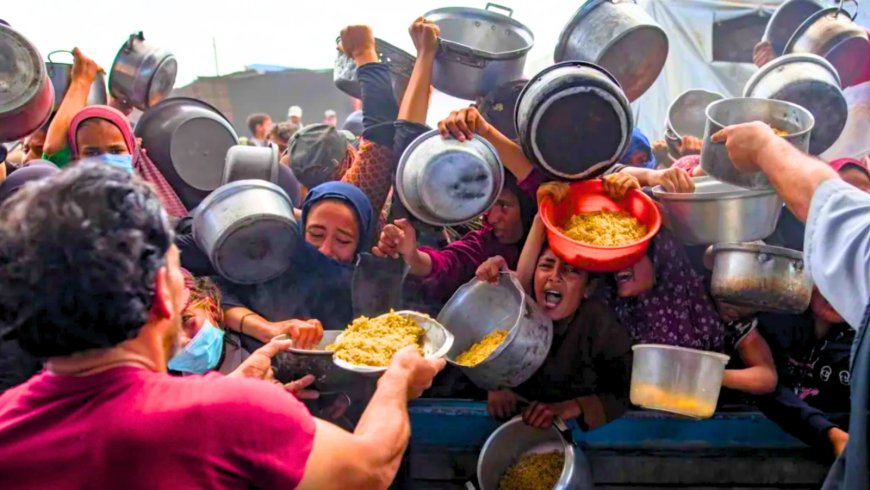
Israel's Security Cabinet Approves Plan to 'Capture' Gaza, Expanding Military Offensive
In a significant development, Israel’s security cabinet has approved a controversial plan to intensify its military operations against Hamas, including the capture and holding of Gaza. The decision, disclosed by an Israeli official, comes amidst growing international concern over the humanitarian crisis in the region.
The plan, proposed by Lt Gen Eyal Zamir, Israel's Chief of Staff, aims to deal a decisive blow to Hamas while addressing the ongoing hostage situation. Prime Minister Benjamin Netanyahu praised the plan as a necessary step toward defeating Hamas and securing the release of hostages held by the militant group.
Key Elements of the Israeli Plan
According to an Israeli official who briefed the media, the security cabinet voted unanimously to approve the military strategy, which includes several key objectives:
-
Capture of Gaza and Holding Territories: The Israeli military intends to take control of significant portions of Gaza, a move that has sparked concerns over its long-term implications for Palestinian civilians.
-
Relocation of Gazan Population: The plan proposes to move Gaza’s 2.1 million residents southward to minimize civilian casualties in ongoing military operations. However, critics warn that this could exacerbate the humanitarian crisis.
-
Denying Hamas Control Over Humanitarian Aid: Israel aims to sever Hamas’s control over the distribution of humanitarian supplies, which has led to accusations of breaching international humanitarian law.
-
Intensified Military Attacks Against Hamas: The Israeli military will ramp up its strikes on Hamas infrastructure, both above and below ground, as part of a comprehensive effort to eliminate the group’s military capabilities.
A Potential Humanitarian Crisis
The proposal to relocate a significant portion of Gaza’s population raises serious concerns among humanitarian organizations. Critics argue that this would displace civilians further, potentially turning them into refugees in their own land. The United Nations and other aid organizations have strongly condemned the plan, stating that it violates core humanitarian principles.
The Humanitarian Country Team (HCT), which includes key UN agencies, warned that the Israeli strategy would lead to large-scale suffering, especially for Gaza’s most vulnerable populations. Many areas would remain cut off from aid, as the plan would force civilians to gather supplies in militarized zones, risking their safety and well-being.
According to the HCT:
“The proposed measures contravene fundamental humanitarian principles and are seen as part of a larger military strategy that uses civilians as pawns in the conflict.”
Humanitarian Aid and Blockade Concerns
The security cabinet also endorsed a proposal to deliver humanitarian supplies through private companies, which would bypass traditional aid distribution systems. This move is seen as a way to ensure that Hamas cannot exploit the aid for political or military gain. However, the United Nations and other agencies have voiced strong opposition to this strategy, saying it violates established humanitarian laws and would fail to address the needs of Gaza’s most vulnerable populations.
The UN and various aid organizations have warned that Israel’s proposal could lead to increased suffering for Gaza’s residents, particularly the elderly, children, and those with disabilities. The Israeli government's blockade, which has been in place since March 2, has already contributed to severe food shortages, lack of medical supplies, and widespread hunger.
The Hostage Situation and International Criticism
The hostage situation remains central to the conflict. Since the Israeli military resumed its offensive in March, the 59 remaining hostages held by Hamas have not been freed, raising concerns that territorial gains are being prioritized over human lives.
The Hostages and Missing Families Forum, an organization representing the families of the kidnapped individuals, criticized the government’s plan, stating:
“The Israeli government is choosing land over people’s lives. This is not what the majority of Israelis want.”
Prime Minister Netanyahu, however, emphasized the importance of defeating Hamas and securing the release of all hostages. He stated that the military’s current strategy, while difficult, was essential to ensure long-term security for Israel.
Military Reinforcements and Rising Tensions
On Sunday, Lt Gen Eyal Zamir addressed Israeli special forces, confirming that tens of thousands of reservists were being called up to strengthen military operations in Gaza. Zamir indicated that the military’s focus would remain on increasing pressure on Hamas and expanding Israeli control over more areas of the Gaza Strip.
Zamir said:
“We will continue to operate in additional areas and destroy all terrorist infrastructure. The aim is clear: to bring our people home and defeat Hamas once and for all.”
However, the ongoing military campaign has failed to produce significant progress in the hostage situation, which has sparked frustration within Israeli society and among the families of the hostages.
The Human Toll of the Conflict
As Israel’s offensive continues, the death toll in Gaza has reached alarming levels. According to Hamas-run health ministry figures, at least 52,567 people have been killed since the conflict began in October 2023, with 2,459 deaths occurring since the military resumed its offensive in March. The civilian casualties, many of them women and children, have drawn widespread condemnation from international human rights groups and governments.
The blockade on Gaza has exacerbated the humanitarian crisis, leaving hospitals overwhelmed and facing severe shortages of medicine, vaccines, and medical equipment. The World Health Organization (WHO) has warned that the situation is rapidly becoming a public health emergency.
International Reactions and Legal Concerns
The international community has been divided over Israel's military strategy. While some countries have expressed support for Israel’s right to defend itself, many have called for a more balanced approach that prioritizes the protection of civilians and the adherence to international humanitarian law.
Human rights organizations have consistently called on Israel to allow unhindered access for humanitarian aid and to respect the right to life for Palestinian civilians. They have also criticized Israel for its extensive use of airstrikes, which have caused widespread destruction and loss of life. The Israeli security cabinet’s decision to approve a military plan that includes the capture of Gaza and holding its territory represents a significant escalation in the ongoing conflict with Hamas. While the Israeli government views the plan as a necessary step to defeat Hamas and bring back hostages, critics argue that it could exacerbate an already dire humanitarian crisis.
As the conflict continues to unfold, the international community faces increasing pressure to ensure that humanitarian principles are upheld, that civilians are protected, and that the ongoing military campaign does not lead to even greater suffering for the Palestinian people. The situation remains fluid, with diplomatic efforts and military actions shaping the future of Gaza and the wider region.
What's Your Reaction?
 Like
0
 Dislike
0
 Love
0
 Funny
0
 Angry
0
 Sad
0
 Wow
0