BBC's Trump Twist: Editing Fail Sparks Fury and Boardroom Battle - Bio Points News
Dive into the BBC's controversial edit of Donald Trump's speech that fueled bias claims, apologies, and a denied boardroom coup. From legal threats to parliamentary drama, here's the full story.
In the world of news, one small edit can ignite a massive firestorm. That's exactly what happened when the BBC's flagship show Panorama aired a segment on Donald Trump in October 2024. The episode, titled "Trump: A Second Chance?", featured clips from his infamous January 6, 2021, speech before the U.S. Capitol riot. But here's the catch: the footage was edited in a way that made it seem like Trump was directly urging violence. Phrases like "fight like hell" and "we're going to the Capitol" were stitched together, skipping his calls for peaceful protest. It painted a misleading picture, and when it leaked out, the backlash was swift and fierce.
The trouble started bubbling up in November 2025, thanks to a leaked memo from Michael Prescott, a former BBC advisor on editorial standards. He slammed the edit as a "gross distortion" and accused the broadcaster of deep-seated bias—think anti-Trump reporting, pro-trans rights slants, and uneven coverage of issues like Gaza. Over 500 complaints flooded in, and suddenly, the BBC was under siege. President Trump didn't hold back. From the White House, he blasted the BBC as "fake, defamatory, and incendiary," threatening a $1 billion defamation lawsuit under Florida law. His lawyer sent a formal demand letter, pushing for a full retraction and massive damages. Trump, no stranger to suing media giants like The New York Times and CNN, called it a "hoax on the American people."
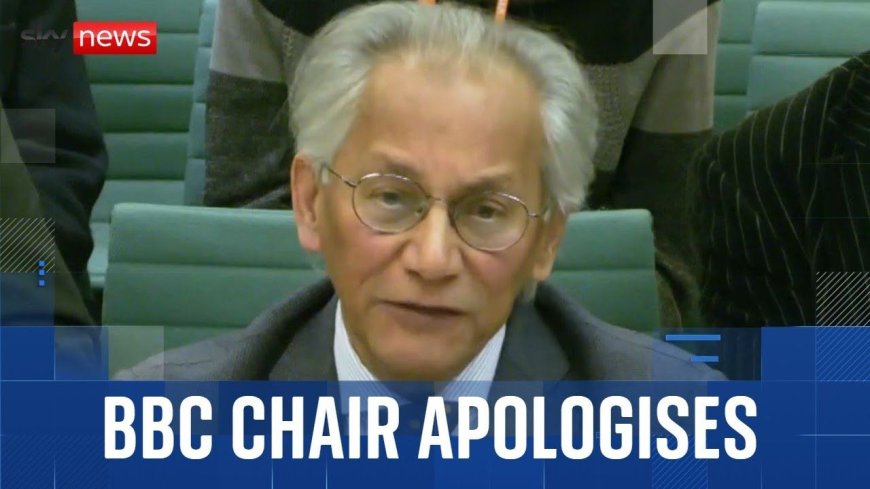
The BBC didn't dodge the heat. They launched an internal probe and admitted it was an "error of judgment." Chairman Samir Shah personally wrote an apology to the White House, and the broadcaster issued a public correction: the program won't air again in that form, and they owned up to the mistake. But they drew a line at paying up, insisting no defamation had occurred. Former Director-General Tim Davie emailed staff, acknowledging the "costly errors" but rallying everyone to defend BBC journalism. As of now, Trump's team hasn't fired back with a suit, but the tension lingers.
Inside the BBC, things got even messier. Whispers of a "boardroom coup" emerged, pointing fingers at non-executive director Sir Robbie Gibb—a former press secretary to ex-Prime Minister Theresa May and a Conservative insider. Staff and unions like BECTU claimed Gibb was plotting to oust top executives, like news chief Deborah Turness (who resigned amid the chaos) and Davie himself. They said he blocked responses to Prescott's memo and paralyzed the board with right-wing agendas, eroding the BBC's neutrality. Culture Secretary Lisa Nandy weighed in, warning that "political appointments" like Gibb's were damaging trust and calling for a charter review to fix it. Even Boris Johnson, who appointed Gibb, distanced himself with criticism.
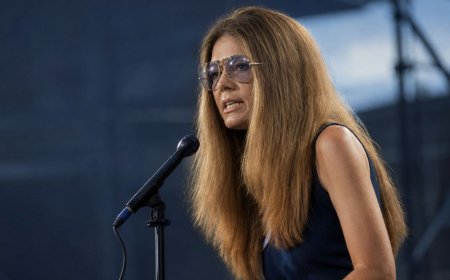
The drama peaked on November 24, 2025, during a tense hearing before the House of Commons Culture, Media and Sport Committee. Gibb and Shah faced tough questions from MPs about leaks, bias, and board infighting. Gibb shot down the coup claims as "complete nonsense" and "deeply insulting," vowing to stay on. "Impartiality runs through my bones," he said, expressing worry over Reform UK's anti-BBC voters and praising the team's alertness on party airtime. He was gutted about Turness's exit but stood firm as a "passionate defender" of the BBC.
Shah, meanwhile, played the steady hand. "My job is to steady the ship—I'm not running from the storm," he declared. He dismissed coup talk as "fanciful conspiracy theories" and backed Gibb, noting his focus on accuracy and fairness. Shah announced plans to restructure the executive team, including a new deputy DG for journalism, and promised to rebuild trust—especially among young people and in northern England. An inquiry into the leaks is underway, and he reiterated the BBC's role as a "beacon of impartial journalism."
This saga shines a harsh light on the BBC's challenges: editorial slip-ups, political meddling, and the endless quest for balance in a polarized world. Resignations have shaken things up, apologies have cooled some tempers, but questions about Gibb's influence and the charter's future hang in the air. For now, the BBC vows to emerge stronger, but with Trump's shadow looming and public faith on the line, it's clear the fight for credible news is far from over. What do you think—fair play or foul?
Reference :
What's Your Reaction?
 Like
0
 Dislike
0
 Love
0
 Funny
0
 Angry
0
 Sad
0
 Wow
0