Strait of Hormuz Threat Sparks Alarming Economic Fears in Pakistan - Bio Points News
Business leaders warn that a potential closure of the Strait of Hormuz could cripple Pakistan's economy, triggering skyrocketing shipping costs, halted production, and mass unemployment.
Strait of Hormuz Tensions Pose Grave Threat to Pakistan’s Economic Stability
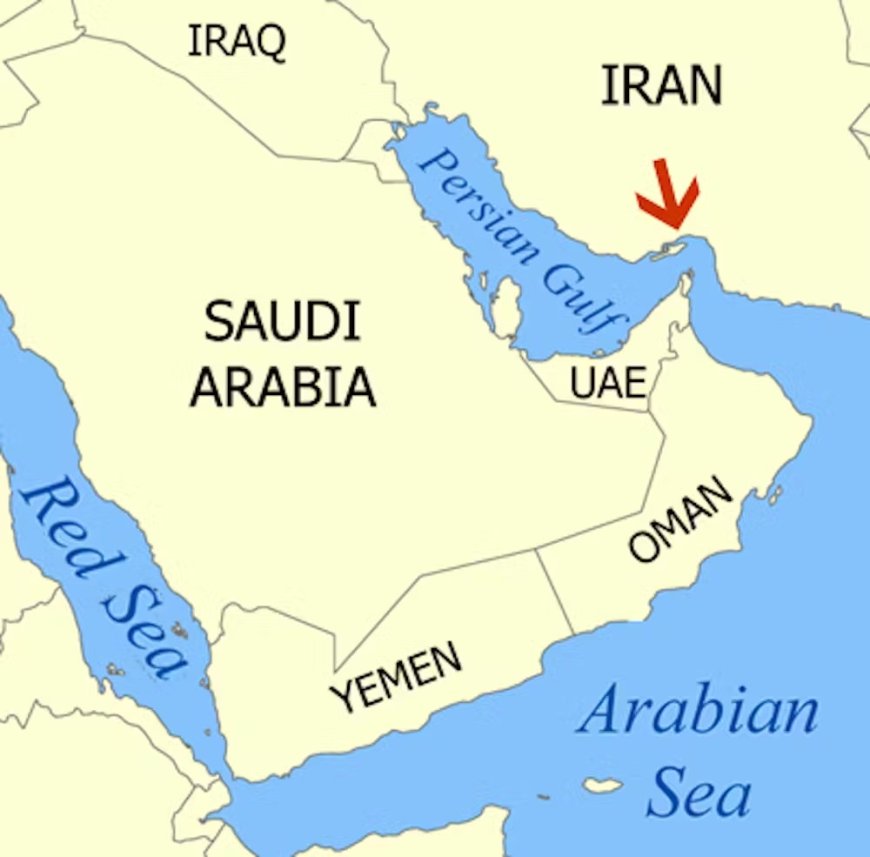
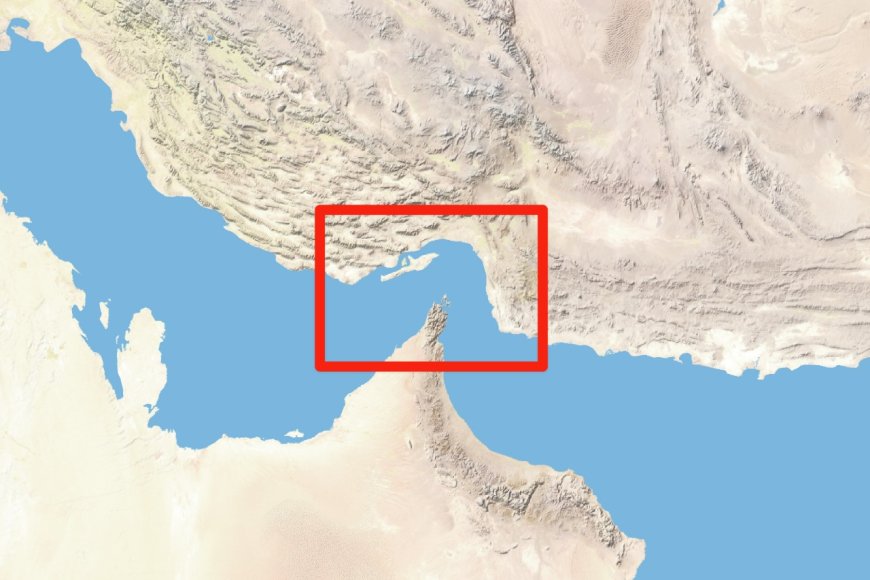
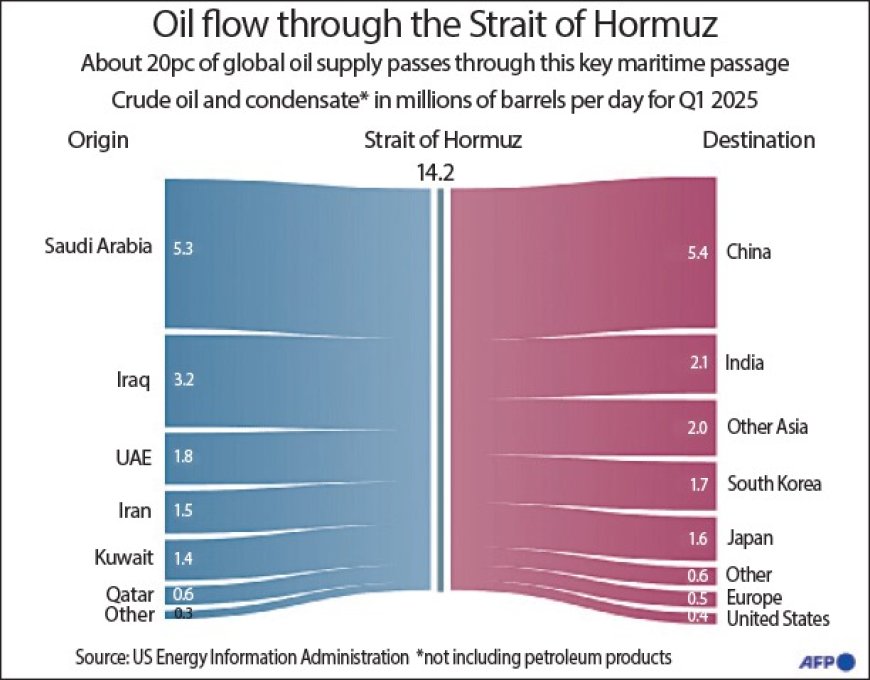
As geopolitical tensions in the Middle East intensify, business leaders in Pakistan are sounding the alarm over a looming economic crisis that could unfold if the Strait of Hormuz—a vital oil shipping route—is shut down. The narrow waterway, located between Iran and Oman, handles a significant portion of global oil shipments and serves as a critical supply line for Pakistan.
Zubair Motiwala, Chairman of the Businessmen Group (BMG) and former head of the Trade Development Authority of Pakistan (TDAP), emphasized that 30 to 40 percent of Pakistan’s raw material imports pass through this strategic strait. Any disruption, he said, would send production costs soaring and bring industrial activity to a standstill.
“The situation is deeply concerning,” Motiwala remarked. “If the Strait closes, shipping and insurance rates will become unbearable. This will cripple our manufacturing sector and export potential.”
He further explained that freight rates have already surged amid rising tensions between Iran and Israel. With Iran’s parliament reportedly moving to authorize a blockade in response to U.S. strikes on Iranian nuclear facilities, fears of a full-scale maritime shutdown are mounting.
Oil Prices Dip, But Risks Remain
Despite the escalating risk, international oil markets showed a surprising dip. According to Reuters, Brent crude futures dropped 3.8% to $74.09 a barrel, while U.S. crude (WTI) fell to $71.06. Analysts suggest that markets are betting on the disruption being brief or avoidable.
However, local economists and traders believe the threat alone is enough to rattle Pakistan’s fragile trade environment. Motiwala pointed out that shipping costs from China to Karachi have jumped from $1,250 to $5,000 per container—undermining the competitiveness of Pakistani exports, especially in European markets.
Factories at Risk, Jobs on the Line
Business leaders fear the ripple effects will be devastating. Motiwala warned that rising insurance premiums, freight charges, and raw material shortages could force thousands of factories to halt operations.
“Our industries run on imported inputs,” he said. “If the flow stops, our machines stop. That means hundreds of thousands of workers will lose their livelihoods.”
Javed Bilwani, President of the Karachi Chamber of Commerce and Industry (KCCI), echoed similar concerns. “The business community needs more time and clarity to assess this evolving crisis,” he said. “If conflict intensifies, the cost of doing business will spiral out of control.”
Lack of Preparedness Fuels Anxiety
Despite the growing threat, business leaders say most local industries remain unprepared. Few have contingency plans or alternate shipping routes in place. Senior Vice-President of the Federation of Pakistan Chambers of Commerce and Industry (FPCCI), Saqib Fayyaz Magoon, stressed that the situation could become “highly volatile” if ships are forced to take longer, costlier routes to reach Pakistan.
Several traders admitted they were unaware of the full extent of the potential fallout. Some believe the economy might withstand a temporary shock, but agree that long-term disruption would derail economic growth and lead to mass layoffs.
Others warn of a cascading impact on global trade. “If the Strait is shut, access to Europe and West Asia via the Red Sea could also be jeopardized,” one trader said. “That would send inflation through the roof and paralyze trade operations.”
A Dangerous Crossroads
As tensions continue to rise, business leaders are urging the government to issue a clear strategy to mitigate the risks. The Ministry of Commerce has yet to respond publicly to the growing unease in the industrial sector.
Motiwala offered a sobering outlook: “Oil prices may have dipped for now, but if this conflict deepens, we’re staring at severe inflation, economic shutdown, and a humanitarian crisis on our streets.”
What's Your Reaction?
 Like
0
 Dislike
0
 Love
0
 Funny
0
 Angry
0
 Sad
0
 Wow
0