PTI Refuses Security Briefing on India-Pakistan Tensions, Demands APC - Bio Points News
PTI boycotts government briefing on Pakistan-India security tensions, urges All-Party Conference for national unity. Madrasas closed in Azad Kashmir.
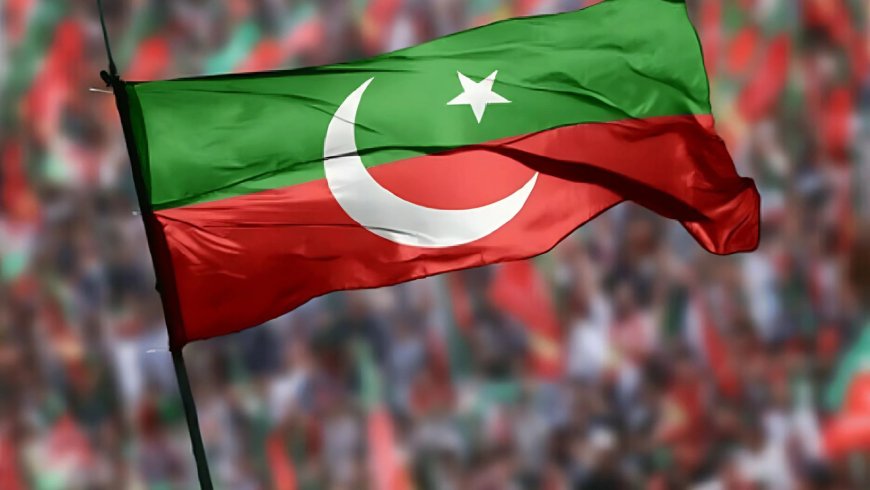
PTI Refuses to Attend Government Briefing on Pakistan-India Situation, Calls for All-Party Conference
Islamabad, Pakistan — In a significant political development, the Pakistan Tehreek-e-Insaf (PTI) has officially refused to attend the government's scheduled briefing on the current national security situation between Pakistan and India. The decision was announced in a statement released by the party's political committee on Sunday.
According to the statement, PTI has demanded that instead of a one-sided briefing led by government officials, an All-Party Conference (APC) should have been convened to formulate a unified national response. The party stressed that all national political parties must be taken into confidence when dealing with such sensitive national security issues.
PTI's Statement: Unity and Joint Strategy Needed
The PTI statement clarified that while the party prioritizes national security and solidarity in times of external aggression, it believes the current approach adopted by the government is not inclusive or effective.
"In the context of external threats, PTI will always be in the front lines to defend the country," the statement affirmed.
It further added that the party's founder Imran Khan has consistently condemned terrorism in all its forms and emphasized the need for national unity, internal stability, and a joint action plan.
The political committee maintained that Indian propaganda and aggression must be countered through a collective national strategy, formulated by consulting all mainstream political forces in the country.
Background: Current Tensions Between Pakistan and India
The government’s scheduled briefing comes amid rising tensions between Pakistan and India, particularly over disputes regarding water resources and territorial matters in the region.
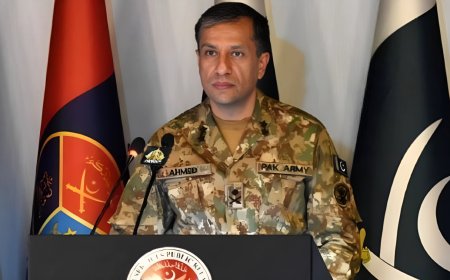
According to official sources, Pakistan’s Federal Information Minister Attaullah Tarar and Director General of the Inter-Services Public Relations (ISPR) Major General Ahmed Sharif Chaudhry are set to brief top leaders of all political parties today (Sunday) on the current security situation and its regional implications.
State media reports indicate that the focus will be on the Pakistan-India water conflict, border tensions, and other security threats, especially concerning recent intelligence reports about potential Indian action in Pakistan-administered Kashmir (Azad Jammu and Kashmir).
Madrasas Closed, Tourists Banned in Azad Kashmir
Amid escalating tensions, authorities in Pakistan-administered Kashmir have closed down religious seminaries (madrasas) and banned the arrival of tourists in the region. According to local security officials, these measures have been taken to prevent any potential targeting by India, should a cross-border incident occur.
Local administration representatives described madrasas as vulnerable targets in the event of military action and urged the public to remain vigilant.
How Real Is the Risk of War Between India and Pakistan?
While both nations have a long history of diplomatic tensions and military standoffs, recent weeks have seen an uptick in inflammatory rhetoric and security advisories.
Intelligence reports from both sides have reportedly flagged possible escalations in the disputed Kashmir region. However, most defense analysts believe that while the risk of a full-scale conventional war remains low, the potential for localized military exchanges or border incidents is significant.
Pakistan's military has been on heightened alert along the Line of Control (LoC), while India has also increased troop deployments and surveillance in sensitive sectors.
Political Fallout: PTI and Government Remain at Odds
The PTI’s refusal to attend today’s security briefing highlights the ongoing political deadlock and trust deficit between the current government and the country's largest opposition party.
Observers believe this decision could further strain efforts to develop a united national front in the face of rising external threats.
However, PTI has reiterated that it remains committed to the defense of Pakistan and national interests, calling on the government to adopt a more inclusive and consultative approach in handling critical national security matters.
"The founder of PTI has always emphasized the importance of unity, dialogue, and cooperation among political forces, especially in matters concerning national security," the party's statement noted.
As tensions continue to simmer between Pakistan and India, the internal political environment in Pakistan remains tense. The government’s scheduled briefing and PTI’s absence have laid bare the deep-rooted political divisions that could impact national policy responses in times of crisis.
Analysts and civil society leaders have called on both the government and opposition to set aside political differences and work together in the country’s greater interest. In the coming days, the effectiveness of Pakistan's diplomatic and military strategy will depend heavily on how united its political leadership can become.
What's Your Reaction?
 Like
0
 Dislike
0
 Love
0
 Funny
0
 Angry
0
 Sad
0
 Wow
0