Operation Sindoor: India’s Retaliatory Strike on Pakistan and the Story Behind Its Name - Bio Points News
India launched 'Operation Sindoor' in response to the Pahalgam attack, targeting alleged militant camps in Pakistan. Discover why the operation's name holds emotional and cultural meaning across India.
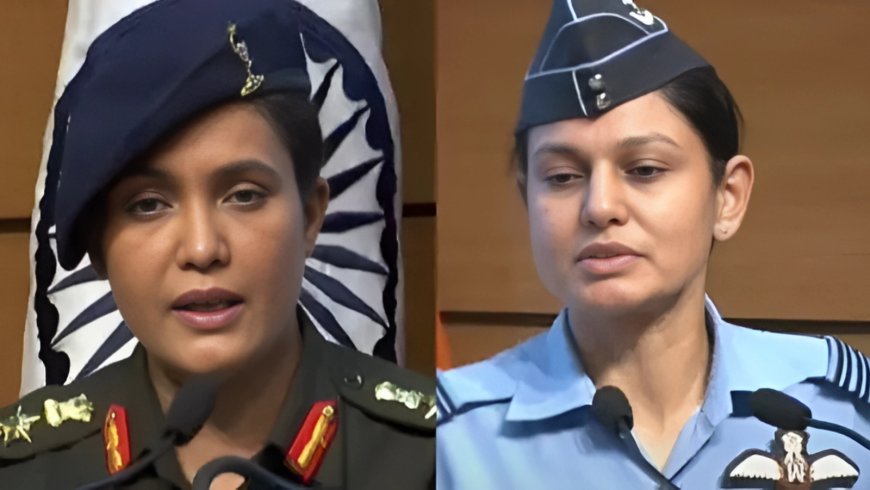
‘Operation Sindoor’: Why Indian Users Are Calling It a Meaningful Name Amid Rising Tensions
In the wake of India’s airstrikes on Pakistan and Pakistan-administered Kashmir, the operation has sparked a heated debate on social media platforms in both countries. Indian authorities have named their operation ‘Operation Sindoor’, and the name has quickly gained significant attention, both within India and abroad. While some Indian users are calling the name of the operation "meaningful," there are also rising concerns over misinformation and exaggerated claims circulating in the media.
The Background of ‘Operation Sindoor’
The attack that has now been dubbed ‘Operation Sindoor’ was launched by the Indian Army in retaliation for the Pahalgam terrorist attack on April 22, which resulted in the deaths of 26 people. The Indian Army claimed that their airstrikes targeted militant camps and terrorist infrastructure belonging to banned organizations like Lashkar-e-Taiba. However, Pakistan has denied these allegations, asserting that the airstrikes primarily hit civilian areas, including mosques, and caused significant harm to non-combatants.
According to Colonel Sofia Qureshi, an official in the Indian Army, the airstrikes were “a correct military response” to the deadly attack. She emphasized that the targets were chosen based on reliable intelligence about militant training centers responsible for planning attacks against India.
On the other hand, Pakistan’s Ministry of Defense refuted these claims, maintaining that the targets hit by Indian forces were civilian. Pakistan also stated that they shot down five Indian aircraft in retaliation, further fueling the ongoing conflict between the two countries.
The Symbolism Behind ‘Sindoor’
The name ‘Operation Sindoor’ has caught significant attention in India for its symbolic meaning. Sindoor, a red vermilion powder, is a traditional symbol of marriage in Hindu culture. Indian women typically apply sindoor to their foreheads as a sign of their married status. A deeply entrenched cultural practice, sindoor holds significant emotional value, particularly in Indian society. According to Hindu customs, if a woman becomes a widow, the vermilion is removed, a ritual referred to as ‘mang soni hona’ or ‘mang ka ajarna’.
The Indian Army’s official social media account posted an image of ‘Operation Sindoor’, where one of the O’s in the word ‘Sindoor’ was replaced by a bowl of vermilion. The image depicts the spilling of vermilion from the bowl, which many interpret as a symbolic act of “avenging” the deaths of men in Pahalgam.
Indian media outlets have taken to this symbolism, calling the operation name “meaningful”, as it appears to evoke a sense of justice for the lives lost in the terrorist attack. The use of ‘Sindoor’ is seen as a metaphor for revenge, particularly considering the emotional weight attached to the color red in Hindu customs.
Public Reaction in India
The name ‘Operation Sindoor’ has been widely praised in India, especially by those who lost loved ones in the Pahalgam attack. Sangeeta Gunbute, the widow of one of the victims, expressed her approval of the operation, claiming that it was a “good action” by the Indian Army. She also added that Prime Minister Narendra Modi had provided the “befitting reply” to the attackers.
The mother of Pahalgam victim Manjunath Rao also praised the operation, calling ‘Operation Sindoor’ an appropriate response. The use of ‘Sindoor’ in the name of the operation has been seen by many as a symbolic gesture honoring the women affected by the deaths of their loved ones. In India, the name has resonated strongly with the emotional sentiments surrounding the recent tragedy.
Some political figures, including Former Uttarakhand Chief Minister Harish Rawat, posted videos on social media expressing pride in the army's actions. Rawat wrote:
“You have made us proud. This is Operation Sindoor. You have wiped the vermilion of our sisters. We will not leave you.”
This rhetoric has gained traction on social media, with #OperationSindoor trending at the top of India’s social media platforms.
Social Media Trends and Misinformation
While the name ‘Operation Sindoor’ has garnered widespread support, social media platforms have also seen a surge of misinformation. Both countries have been flooded with fake photos and videos that portray exaggerated claims of the death toll and destruction. The rapid spread of these images has been fueled by artificial intelligence-generated content and photoshopped media, leading to confusion among users and sparking further hostility.
Rana Ayub, a renowned Indian journalist, warned about the potential dangers of misinformation, stating:
“There is a lot of misinformation and photoshopped footage circulating on the internet about India and Pakistan, especially from people who should know better.”
This cautionary note has sparked debates about the ethical responsibility of journalists and social media users in the midst of a sensitive and volatile situation. Both India and Pakistan have seen misleading claims about military casualties and property damage, which have further amplified the emotional and political tensions.
The Global Perspective
Internationally, while the name ‘Operation Sindoor’ has sparked strong reactions within India, the broader global community remains concerned about the escalation in South Asia. The United Nations, China, and the European Union have urged both countries to de-escalate the situation to avoid a potential full-scale war.
Tensions are at a high point, and many are urging for diplomatic solutions before the conflict spins out of control. As the nuclear-armed neighbors continue to exchange hostile rhetoric and military strikes, the international community continues to watch closely, fearing the outbreak of a wider regional conflict.
A Symbolic Act or a Dangerous Escalation?
As India and Pakistan continue to clash over the ongoing conflict, the name ‘Operation Sindoor’ has proven to be a symbolic gesture for many Indians, while simultaneously adding fuel to an already volatile situation. The use of a culturally charged term such as ‘Sindoor’ underscores the emotional weight of the conflict and its deep ties to national identity.
However, the rhetoric surrounding the operation could also be seen as a dangerous escalation in an already tense environment, where the risk of miscalculation could have severe consequences for regional stability. Both sides must navigate these symbolic gestures carefully to avoid further exacerbating the situation and to ensure that the path toward peace remains open.
As social media continues to shape public opinion and the battle for narratives intensifies, the true consequences of ‘Operation Sindoor’ will likely be felt not just in the military sphere, but also in the long-term diplomatic relations between the two nations.
What's Your Reaction?
 Like
0
 Dislike
0
 Love
0
 Funny
0
 Angry
0
 Sad
0
 Wow
0