Iran-Israel Conflict 2025: Global Alliances Shift & Oil Market Turmoil - Bio Points News
As tensions between Iran and Israel escalate, global powers realign and oil markets face dramatic upheaval. Explore the geopolitical shifts and their economic impact.
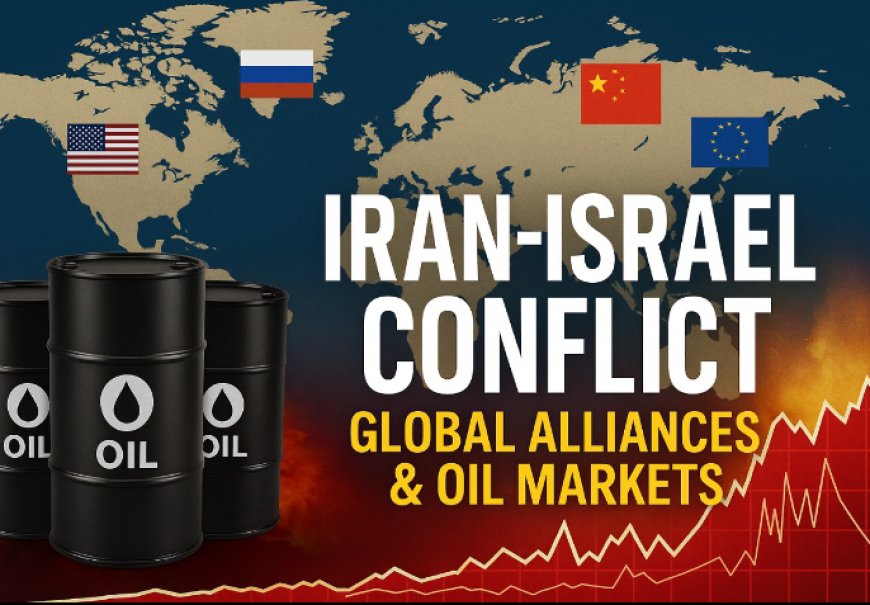
🛢️ How the Iran-Israel Conflict is Reshaping Global Alliances and Oil Markets
The latest chapter of the Iran-Israel conflict has escalated into a direct confrontation, sending shockwaves far beyond the Middle East. What was once a series of proxy skirmishes has now become a multi-dimensional geopolitical crisis, with ripple effects reaching global superpowers and financial markets—especially oil.
🌍 A Conflict With Global Implications
Iran and Israel have long been ideological and strategic adversaries, but the 2025 escalation, involving missile strikes, drone attacks, and cyber warfare, has pushed the region—and the world—to the edge. Unlike previous years, this conflict is now direct and visible, prompting global powers to reevaluate their alliances and military strategies.
The United States has reaffirmed its traditional support for Israel, deploying naval forces to the Gulf and tightening sanctions on Iran. On the other hand, Russia and China have expressed open criticism of Israeli actions, urging diplomacy and cautioning against Western “interference.”
This polarization has deepened a new Cold War-style divide:
-
U.S. + NATO allies support Israeli defense moves
-
Russia, China, and Iran-aligned states warn of destabilization
-
Neutral states like India, Turkey, and the UAE push for peace and energy stability
🔁 Realignment of Global Alliances
The war has also revealed the emerging power shifts in international relations. Middle Eastern countries like Saudi Arabia and the UAE, once cautiously neutral, are now re-evaluating their positions. While they fear Iran’s growing influence, they’re also cautious of becoming battlegrounds for proxy warfare.
Meanwhile, China is strengthening its diplomatic grip, offering to mediate between Iran and Israel while securing long-term oil contracts with both. Russia, grappling with its own sanctions post-Ukraine war, sees the conflict as an opportunity to expand military exports and diplomatic leverage in the region.
Even European Union states, typically aligned with the U.S., are showing cracks in unity. Some nations have criticized Israel’s aggressive strikes, while others remain firmly supportive. The result? A fragmented and fluid global alliance map where every move could tip the balance.
📉 Oil Markets in Crisis Mode
Perhaps the most immediate global impact of the conflict is being felt in the oil markets. With Iran being a key OPEC member and the Strait of Hormuz at risk, global oil supply chains are under immense pressure.
As of June 15, 2025:
-
Crude oil prices have surged to over $115 per barrel, the highest since 2022.
-
Fuel shortages are being reported in several Asian and African countries.
-
Speculation and panic buying have further destabilized energy markets.
Investors are moving away from traditional equities and toward safe-haven assets like gold, the U.S. dollar, and even cryptocurrencies. Global stock markets are down, and developing economies face heightened inflation risks.
💼 Economic and Political Fallout
The economic consequences go far beyond oil. Rising energy prices are increasing the cost of transportation, food, and basic goods. Central banks may face pressure to increase interest rates, which could stall growth and hurt job markets.
Politically, leaders are under pressure at home. Citizens across the world are questioning the cost of foreign entanglements and demanding a focus on domestic stability. In the U.S., elections are drawing near, and the administration’s handling of the conflict will likely become a key issue.
For Iran, the war boosts nationalist sentiment, while Israel faces internal protests both for and against military escalation. This creates political volatility on both sides, with unknown long-term consequences.
🧭 What’s Next? War or Rebalancing?
As the world watches anxiously, the path forward remains uncertain. Could a larger war involving Lebanon, Syria, and Gulf nations erupt? Or will diplomatic channels—perhaps through the UN, China, or neutral Gulf states—manage to pull both sides back from the brink?
One thing is certain: The Iran-Israel conflict of 2025 is more than a regional flare-up. It is reshaping the global order, affecting everything from oil prices to political alliances—and it’s happening in real time.
✍️ Conclusion
This is no longer just about two nations clashing. The Iran-Israel conflict is forcing the world to redraw alliances, rethink energy strategies, and brace for economic shocks. Leaders must act swiftly and wisely—or risk plunging the world into greater instability.
What's Your Reaction?
 Like
0
 Dislike
0
 Love
0
 Funny
0
 Angry
0
 Sad
0
 Wow
0