How Much Damage Has Israel Inflicted on Iran’s Nuclear Programme? - Bio Points News
Israel's recent strikes on Iran's nuclear facilities caused infrastructure damage but fell short of halting Tehran’s atomic ambitions. Experts say the programme remains technically intact but politically more dangerous.
July 16, 2025 | International Desk
Israel’s targeted strikes on multiple Iranian nuclear facilities this month have escalated regional tensions and reignited fears over a potential nuclear conflict in the Middle East. While the operation caused measurable infrastructure damage, experts and international watchdogs agree: Iran’s nuclear ambitions remain intact — and perhaps more dangerous than before.
🧨 What Did Israel Target?
Israel's strikes focused on some of Iran’s most critical nuclear sites, including:
-
Natanz (the main uranium enrichment site)
-
Fordow (Iran’s deep underground enrichment facility)
-
Isfahan Nuclear Complex (a key support site for uranium processing)
These attacks, as per Iranian officials and confirmed by the International Atomic Energy Agency (IAEA), were intended to undermine Iran’s nuclear capabilities, which Israel claims are aimed at producing nuclear weapons — an allegation Tehran has consistently denied.
🏗️ Extent of the Physical Damage
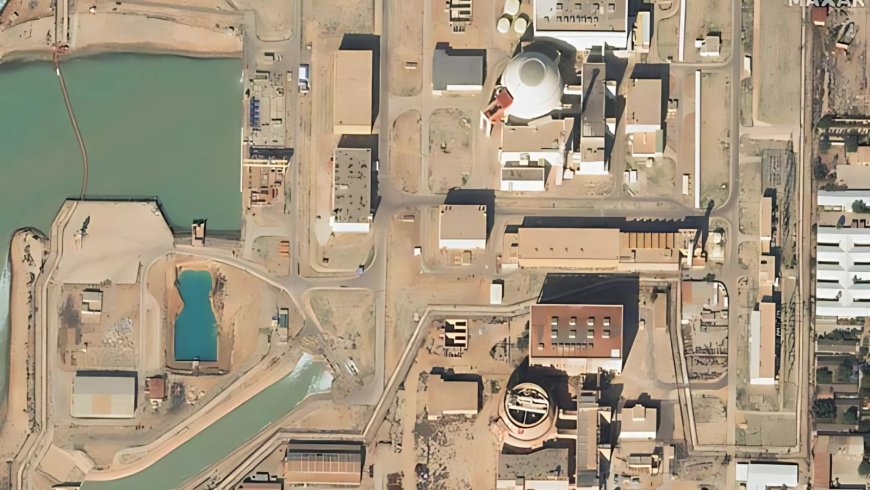
According to the IAEA and satellite imagery analysis by the Institute for Science and International Security (ISIS):
-
Natanz:
-
An above-ground component was destroyed, including vital power infrastructure.
-
No direct damage was reported to the underground enrichment hall, but power loss may have damaged centrifuges — crucial machines for enriching uranium.
-
-
Fordow:
-
Surprisingly, no damage was detected at this fortified underground facility, according to IAEA Director Rafael Grossi.
-
-
Isfahan Nuclear Site:
-
Four buildings were damaged, including:
-
Central chemical laboratory
-
Uranium conversion plant
-
Tehran reactor fuel manufacturing plant
-
Metal processing facility (under construction)
-
-
The site reportedly stores significant uranium stockpiles.
-
Meanwhile, Iran’s only nuclear power station in Bushehr and the Tehran research reactor were not targeted.
💥 Setback or Strategic Failure?
Experts argue that while the strikes have disrupted operations, they fall far short of crippling Iran’s nuclear programme:
-
Ali Vaez, Iran Project Director at the International Crisis Group, stated:
“Israel can damage the nuclear programme, but not destroy it.”
-
Kelsey Davenport, from the Arms Control Association, added:
“Only the US has the kind of bunker-busting weapons required to destroy Fordow or Natanz.”
Moreover, Israel’s inability to eliminate Iran’s scientific expertise — despite assassinating nine nuclear scientists — means Iran retains the knowledge and capability to rebuild quickly.
☢️ Risk to Civilians and Environment?
The IAEA confirmed no radiation leaks have been detected from the affected sites. Experts agree that the risk to the Iranian population remains low unless a facility like Bushehr is attacked in the future.
Grossi warned:
“Targeting nuclear facilities can have grave consequences for people, the region, and beyond. These sites must never be attacked.”
🚨 Is Iran Closer to a Nuclear Weapon Now?
Ironically, while the strikes may have caused technical setbacks, they may also be pushing Iran politically closer to the bomb.
As of May 2025, Iran has stockpiled 408.6 kg of uranium enriched to 60% — dangerously close to the 90% threshold needed for nuclear weapons. This amount is enough for around 10 bombs, if further refined.
Though the IAEA says there is no evidence of a current nuclear weapons programme, Iran’s post-2018 withdrawal from nuclear deal obligations has made the global community increasingly uneasy.
Davenport warned:
“The strikes may boost factions in Iran advocating for a nuclear deterrent.”
🎯 Conclusion: Tactical Win, Strategic Gamble
Israel’s airstrikes have inflicted moderate physical damage to key components of Iran’s nuclear infrastructure. But in doing so, they’ve arguably increased Iran’s motivation to pursue a nuclear weapon — not as a means of aggression, but as a deterrent.
With diplomacy now on ice, and the international community scrambling to prevent further escalation, the situation remains dangerously fluid.
What's Your Reaction?
 Like
0
 Dislike
0
 Love
0
 Funny
0
 Angry
0
 Sad
0
 Wow
0