






















































FDA Orders New Eye Warning on Ozempic, Zepbound and Wegovy Over Rare Vision Loss Risk
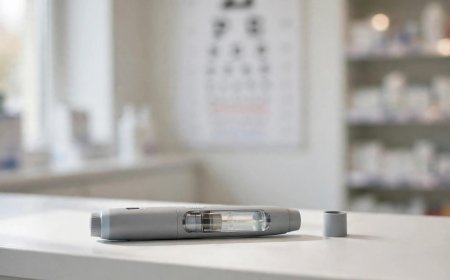
The FDA is requiring Ozempic, Wegovy, Zepbound, Mounjaro and every other GLP-1 drug to carry a new warning about NAION, a rare eye condition that can cause sudden, painless and sometimes permanent vision loss in one eye. Here is what patients need to know.
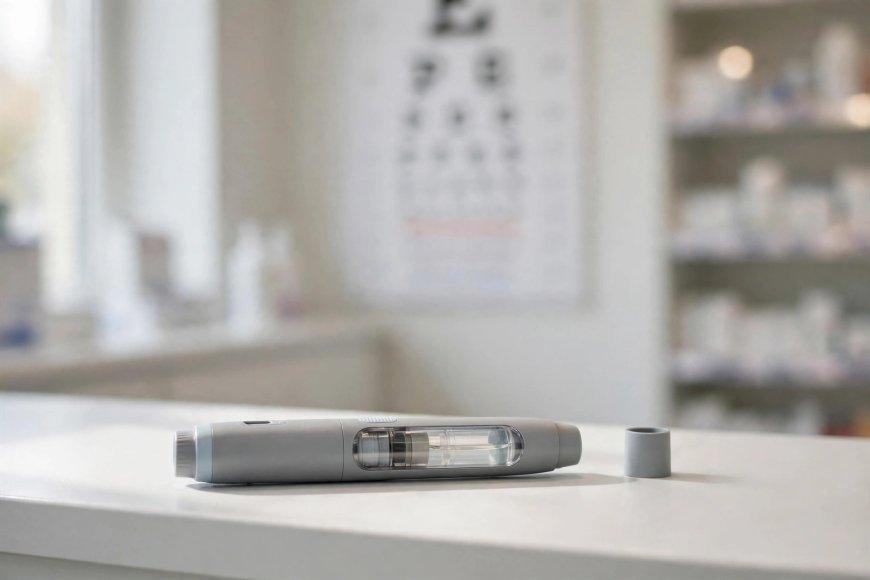
The U.S. Food and Drug Administration (FDA) has ordered makers of the world's most popular weight-loss and diabetes drugs to add a new warning about a rare eye condition that can cause sudden vision loss. The order, announced in a drug safety communication on Monday, November 9, 2026, covers every GLP-1 drug on the market — including Ozempic, Wegovy, Mounjaro and Zepbound.
The warning concerns non-arteritic anterior ischemic optic neuropathy, or NAION, a rare condition in which blood flow to the front of the optic nerve drops. The FDA describes it as a condition that can cause "acute, painless, decreased vision in one eye, including permanent vision loss." The new information must now appear in the Warnings and Precautions section of every GLP-1 drug's label.
Which Drugs Are Affected?
The labeling requirement applies to the entire GLP-1 receptor agonist class. The FDA's list includes semaglutide products Ozempic, Wegovy and Rybelsus; tirzepatide products Mounjaro and Zepbound; liraglutide products Victoza and Saxenda; dulaglutide (Trulicity); the combination products Xultophy and Soliqua; and orforglipron (Foundayo), which was approved in 2026. NAION cases have been reported for every GLP-1 product currently on the market, according to the agency.
Millions of Americans take these medicines for type 2 diabetes and weight management, which makes the class-wide warning one of the most significant FDA safety actions of the year. The move follows months of scrutiny over a possible link between the drugs and eye problems, and it comes after European regulators added a similar warning to Wegovy and Ozempic labels in June.
What the FDA Found
The FDA's review began after a July 2024 study in JAMA Ophthalmology examined the risk of NAION in patients prescribed semaglutide. The agency said it identified "several limitations" in that study but decided the potential risk needed a closer look. It then evaluated clinical trial data, animal data and post-marketing data, including observational studies and case reports.
The centerpiece of the review was a meta-analysis of 126 randomized controlled trials covering 134,253 patients. It found 15 probable NAION cases: 10 among patients taking GLP-1 drugs and five among patients on a placebo. That works out to an incidence rate of 6.4 events per 100,000 person-years in patients treated with GLP-1 drugs, compared with 3.8 events per 100,000 person-years in patients who received a comparator.
The FDA also ran a retrospective cohort study using its Sentinel real-world evidence network, looking at adults with type 2 diabetes who started a GLP-1 drug or another common diabetes medicine between 2019 and 2024. NAION rates ranged from 26 to 32 events per 100,000 person-years, and there was no statistically significant increase in risk compared with SGLT-2 inhibitors. Compared with DPP-4 inhibitors, however, an increased risk was observed. The agency said methodologically rigorous published studies consistently reported an increased risk as well.
Importantly, the FDA's review of animal data did not identify a mechanism for how GLP-1 drugs could raise the risk of NAION, and the agency describes the risk as a "potential increased risk" rather than a proven cause-and-effect relationship. Novo Nordisk, which makes Ozempic and Wegovy, told Reuters it "continues to believe the data do not establish a cause-and-effect relationship."
Symptoms Patients Should Watch For
NAION typically strikes without pain, which is why the FDA says patients need to know the warning signs. The agency lists the symptoms as sudden, painless vision loss in one eye that patients may notice when they wake up; blurred or missing parts of vision, such as blind spots or tunnel vision; distorted colors; and reduced central sharpness.
Health care professionals are being told to instruct patients to immediately report sudden vision loss, visual field deficits or other visual disturbances in one eye, and to refer them promptly to an ophthalmologist if NAION is suspected. Risk factors for the condition may include smoking, diabetes, high blood pressure, sleep apnea, anemia and kidney disease — conditions that often overlap with the patients who take GLP-1 drugs.
Patients should not stop taking a prescribed GLP-1 medicine on their own because of the new warning. Anyone who notices a sudden change in vision should contact a health care provider right away and discuss the risks and benefits of continuing treatment.
How Rare Is the Risk?
The FDA stresses that NAION is rare. In the general population, published literature puts it at 2.3 to 10.2 cases per 100,000 people per year in adults over 50. Last year, the European Medicines Agency's safety committee said NAION may affect up to 1 in 10,000 people taking semaglutide for at least one year.
Even so, the issue has already reached the courts. As of September, at least 4,000 consolidated claims alleged that GLP-1 drugs caused vision loss, according to Becker's Hospital Review. The new labeling requirement does not withdraw, recall or restrict any GLP-1 product — it adds the warning so patients and doctors can make informed decisions.
Why This Matters Now
The FDA has been active on drug and food safety this fall. Just this week, the agency raised a smoked salmon recall to its highest risk level over listeria concerns, and it previously issued a Class I recall for eggs sold across multiple states. Our coverage of the Dreyer's and Outshine fruit bars recall — one of the biggest food recalls of the year — and the FDA Class I egg recall shows how quickly the agency moves when a safety signal emerges. The GLP-1 warning follows the same pattern: a safety signal, a full review of the evidence, and a label change so patients are informed.
For the millions of Americans using GLP-1 drugs, the message from the FDA is straightforward: the medicines remain available, the risk of this eye condition is rare, but sudden vision changes should never be ignored.
Frequently Asked Questions
Does this mean Ozempic or Zepbound causes blindness?
No. The FDA says there is a potential increased risk of NAION, a rare eye condition that can cause sudden vision loss in one eye. The agency has not concluded that GLP-1 drugs cause the condition, and the drug maker Novo Nordisk says the data do not establish a cause-and-effect relationship.
Which GLP-1 drugs carry the new warning?
All of them. The FDA is requiring the warning on every approved GLP-1 receptor agonist, including Ozempic, Wegovy, Rybelsus, Mounjaro, Zepbound, Trulicity, Victoza, Saxenda, Xultophy, Soliqua and Foundayo.
What are the symptoms of NAION?
Sudden, painless vision loss in one eye, often noticed on waking; blurred or missing parts of vision such as blind spots or tunnel vision; distorted colors; and reduced central sharpness. Report any of these to a health care provider immediately.
Should I stop taking my GLP-1 medication?
Do not stop a prescribed medicine without talking to your doctor. The FDA's action adds a warning to the label; it does not recall or restrict the drugs. Discuss the risks and benefits with your health care provider, especially if you notice any vision changes.
How common is NAION?
It is rare. In the general population over 50, published estimates range from 2.3 to 10.2 cases per 100,000 people per year. The European Medicines Agency has said it may affect up to 1 in 10,000 people taking semaglutide for at least one year.
References
- U.S. Food and Drug Administration — FDA Requires Safety Labeling Changes for GLP-1 Receptor Agonists Due to Potential Increased Risk of Rare But Serious Eye Condition
- Reuters — US FDA Orders New Eye Risk Warnings for Ozempic, Zepbound
- Pharmacy Times — FDA Requires Class-Wide GLP-1 RA Labeling Changes for Potential NAION Risk
- Becker's Hospital Review — FDA Orders New Vision Loss Warnings for Top GLP-1 Drugs
- Men's Journal — Ozempic, Zepbound Vision Loss Warning: What the FDA Found
What's Your Reaction?
 Like
0
 Dislike
0
 Love
0
 Funny
0
 Angry
0
 Sad
0
 Wow
0