





















































Supreme Court Lets Trump Resume Border Wall Construction in Big Bend National Park
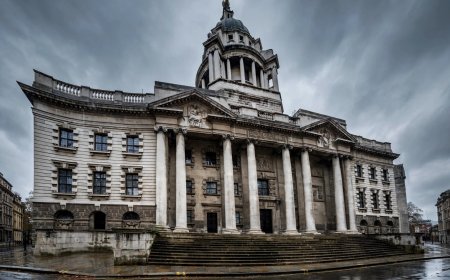
The U.S. Supreme Court on Monday allowed the Trump administration to resume border wall construction across Texas' Big Bend region, including Big Bend National Park, lifting a judge's order that had halted the work for a month. Justice Ketanji Brown Jackson was the only justice to publicly dissent.
The U.S. Supreme Court on Monday, November 9, 2026, gave the Trump administration the green light to resume construction of border barriers across the Big Bend region of West Texas — including inside Big Bend National Park — lifting a federal judge's order that had halted the work for about a month.
In an unsigned emergency order, the justices granted the administration's emergency request to lift the injunction while a lawsuit over the project continues. The decision is a major, if temporary, victory for one of President Donald Trump's longest-running priorities, and it clears the way for construction crews to return to one of the most remote and ecologically sensitive stretches of the U.S.-Mexico border.
What the Supreme Court Decided
The court lifted a temporary injunction issued on October 2 by U.S. District Judge Kathleen Cardone of El Paso, who had blocked construction and other ground-disturbing work across the Big Bend sector. In a brief five-page ruling, the justices said the federal law at issue likely prevents courts from reviewing the Department of Homeland Security's waiver decisions — and that the balance of interests favored letting construction proceed.
"The government's interest," the court wrote, "outweighs any aesthetic, recreational and environmental harm alleged by respondents." The order also noted that Congress has expressed a "clear preference for expeditious border construction."
Justice Ketanji Brown Jackson was the only justice to publicly note that she would have denied the administration's request. She did not write an opinion explaining her dissent.
The ruling is not a final decision on whether the wall construction is lawful. It only suspends the lower court's injunction while the underlying lawsuit moves forward, so the legal fight over the project is far from over.
What Is Being Built in Big Bend?
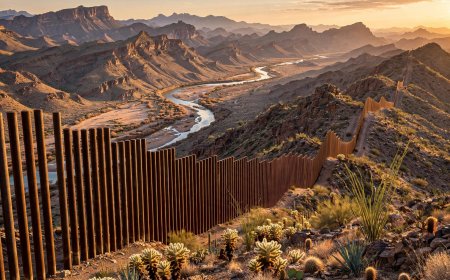
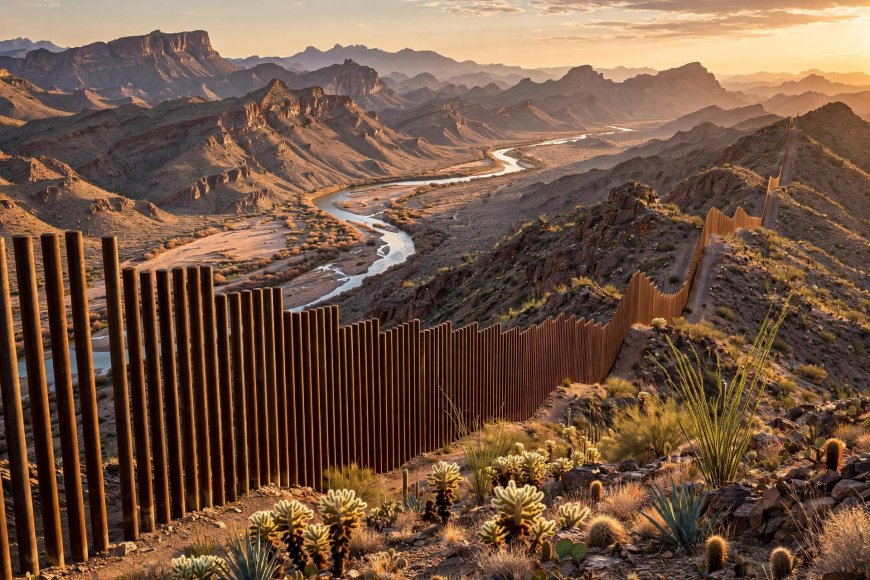
The project covers barrier and road construction across the Big Bend region of Texas, including Big Bend National Park and Big Bend Ranch State Park, along more than 500 miles of the Rio Grande, according to the Center for Biological Diversity, one of the groups challenging it.
The planned work includes 30-foot-tall steel barriers, patrol roads, surveillance systems and other border infrastructure. The region is one of the most rugged and least populated parts of the border — a vast desert landscape of canyons, mountains and river valleys that draws hikers, rafters and wildlife watchers from across the country.
The construction is proceeding under a series of waivers issued by Homeland Security Secretary Markwayne Mullin and his predecessor Kristi Noem between February and July. The waivers were issued under Section 102 of the Illegal Immigration Reform and Immigrant Responsibility Act of 1996, a law aimed at speeding up barrier construction in areas of high illegal crossings, and they set aside a broad slate of environmental and conservation laws.
According to the Center for Biological Diversity, the waivers marked the first time in U.S. history that the federal government swept aside laws including the Endangered Species Act, the National Wild and Scenic Rivers Act and the National Park Service Organic Act inside a national park.
Who Challenged the Wall — and Why
The lawsuit, Friends of the Ruidosa Church v. Mullin, was brought by the Center for Biological Diversity, a Big Bend-area river guide and landowner, and a group working to preserve a historic church in Ruidosa, Texas. The group says the church's fragile adobe structure is threatened by the construction.
The plaintiffs challenged the Homeland Security waivers that allowed the project to bypass environmental review. Environmental groups argue that the construction will damage wildlife habitat, scar a protected landscape and harm the river ecosystem. The inclusion of Big Bend National Park in the construction plans has drawn bipartisan criticism, with opponents across the political spectrum questioning whether barriers belong inside a national park at all.
The administration, for its part, says the region was designated an "area of high illegal entry" and that the barriers are needed to control the border. The Supreme Court's order accepts that argument for now — but the courts will still have to decide whether the waivers themselves were lawful.
Why This Ruling Matters Now
The decision lands in the middle of a fast-moving week for immigration policy. It comes the same day the administration has been pressing ahead with Trump's deportation drive, and just days after Democrats' midterm victories handed them control of Congress — setting up a funding and oversight fight over border policy when the new Congress takes over in January.
For now, the practical effect is simple: construction can restart immediately in Big Bend, including inside the national park. The longer legal questions — how far a Homeland Security secretary's power to waive federal law at the border actually reaches — remain unanswered, and the case will continue in the district court on a full record.
What is settled is the short-term outcome. After a month on pause, the bulldozers and barrier crews in Big Bend can go back to work.
Frequently Asked Questions
Did the Supreme Court approve the border wall permanently?
No. The court issued an emergency order lifting a lower court's injunction while the lawsuit continues. It is not a final ruling on whether the Department of Homeland Security's waivers of environmental laws were lawful.
Where exactly will construction resume?
Across the Big Bend region of West Texas, including Big Bend National Park and Big Bend Ranch State Park, along more than 500 miles of the Rio Grande. The work includes 30-foot steel barriers, patrol roads and surveillance systems.
Who dissented from the Supreme Court's order?
Justice Ketanji Brown Jackson was the only justice to publicly note that she would have denied the administration's emergency request. She did not write an opinion explaining her position.
Why was construction stopped in the first place?
U.S. District Judge Kathleen Cardone of El Paso issued a temporary injunction on October 2, 2026, halting construction while a lawsuit brought by the Center for Biological Diversity, Friends of the Ruidosa Church and a local river guide challenged the Homeland Security waivers behind the project.
What laws were waived for the project?
Waivers issued under Section 102 of the 1996 immigration law set aside a broad slate of environmental and conservation laws, including the Endangered Species Act, the National Wild and Scenic Rivers Act and the National Park Service Organic Act — the first time such waivers have been applied inside a national park, according to the Center for Biological Diversity.
References
- Reuters — Supreme Court allows Trump border wall at Big Bend National Park in Texas
- NPR — Supreme Court says border wall construction can continue in west Texas
- Center for Biological Diversity — Supreme Court Clears Way for Border Wall Construction Across Big Bend
- Outside Online — Supreme Court Approves Trump's Big Bend Border Wall
- Immigration Analytics — Big Bend Border Wall: Supreme Court Lets Construction Resume
What's Your Reaction?
 Like
0
 Dislike
0
 Love
0
 Funny
0
 Angry
0
 Sad
0
 Wow
0