Ethiopia Temporary Protected Status Blocked: Judge Pauses TPS End
Ethiopia Temporary Protected Status blocked after a federal judge paused the DHS termination, allowing thousands of Ethiopian migrants to keep protections.
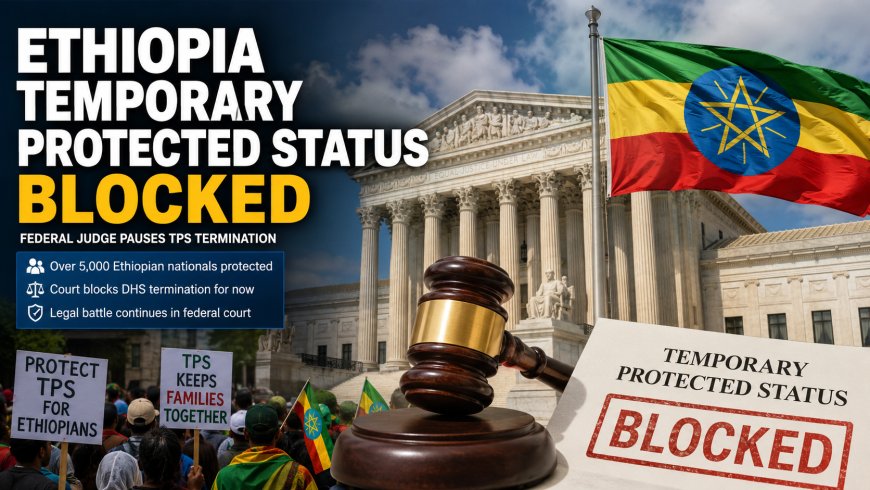
The court decision in the Ethiopia Temporary Protected Status blocked case has temporarily stopped the U.S. government from ending TPS protections for thousands of Ethiopian nationals. A federal judge ruled that the Department of Homeland Security must maintain existing protections while legal challenges continue, meaning affected individuals can remain in the United States under current TPS rules for now.
Why the federal judge stopped the Ethiopia TPS termination
The latest legal battle centers on whether the Department of Homeland Security followed the proper legal process before deciding to terminate Temporary Protected Status for Ethiopia. The administration announced plans to end the designation, arguing that conditions had changed enough to justify removing the protection.
However, U.S. District Judge Brian Murphy concluded that the plaintiffs raised substantial legal questions regarding the government's decision-making process. His temporary injunction does not permanently restore TPS or decide the lawsuit's final outcome. Instead, it freezes the government's action until the court can fully examine whether federal law was properly followed.
The ruling means that thousands of Ethiopian nationals who currently rely on TPS do not immediately lose their lawful status or employment authorization while the case proceeds through federal court.
What Temporary Protected Status means for Ethiopian nationals
Temporary Protected Status is a humanitarian immigration program created by Congress for nationals of countries experiencing extraordinary conditions such as armed conflict, natural disasters, or other emergencies that make returning unsafe.
Ethiopia has remained eligible because of continuing instability, violence in several regions, humanitarian concerns, and displacement affecting millions of civilians. TPS does not provide permanent residence or citizenship, but it allows eligible individuals to live and work legally in the United States during the designation period.
Government estimates indicate that more than 5,000 Ethiopians currently benefit from TPS. Without the court order, many would have faced the loss of work authorization and eventual exposure to deportation proceedings after the government's termination schedule took effect.
What the court order changes immediately
The injunction provides temporary relief rather than a final victory for TPS holders. Existing protections remain available while litigation continues, and employers may continue relying on updated federal guidance regarding employment authorization documents issued during the court-ordered extension period.
The ruling also prevents immediate disruption for families, employers, schools, and local communities that would have been affected by a sudden end to legal work authorization. Immigration attorneys emphasize that beneficiaries should continue monitoring official USCIS announcements because future court decisions could change the timeline.
Legal experts note that this order does not create new immigration benefits. Instead, it preserves the existing legal situation until the federal courts determine whether DHS complied with administrative law requirements.
The case reflects a broader legal fight over TPS programs
The Ethiopian case is not occurring in isolation. Similar lawsuits involving TPS designations for Syria, Somalia, South Sudan, Yemen and Myanmar are moving through federal courts. Several judges have issued temporary orders allowing existing protections to continue while broader legal questions are resolved.
The central issue in many of these cases is not whether countries face humanitarian problems but whether the executive branch followed the legal procedures required before ending a TPS designation. Courts are reviewing administrative records, agency explanations and statutory requirements before deciding whether the terminations can legally proceed.
Because these lawsuits involve multiple countries and overlapping legal arguments, immigration experts expect additional court hearings and possible appeals in the coming months.
What Ethiopian TPS holders should watch next?
The current court order remains temporary. Future hearings could either extend the injunction, modify it, or allow the government to move forward with ending TPS. Until a final ruling is issued, beneficiaries should closely follow updates from USCIS, consult qualified immigration attorneys when necessary, and ensure that employment documents remain current under official federal guidance.
For now, the immediate threat of losing TPS has been paused rather than eliminated. The outcome of the lawsuit could influence not only Ethiopian beneficiaries but also future legal disputes involving Temporary Protected Status programs across multiple countries.
Want to know more about the people involved? Read complete biographies at BiographyPoints.com
Frequently Asked Questions
Why was Ethiopia Temporary Protected Status blocked?
A federal judge temporarily blocked DHS from ending TPS after determining that the lawsuit raised serious legal questions about whether the agency followed the proper administrative process required under federal law.
Does the ruling permanently protect Ethiopian TPS holders?
No. The decision is temporary. It keeps existing protections in place while the lawsuit continues, but the court has not yet issued a final ruling on whether DHS can legally terminate Ethiopia's TPS designation.
Can Ethiopian TPS holders continue working?
Yes. Under the current court order, eligible beneficiaries may continue relying on their existing TPS protections and related employment authorization while the injunction remains in effect and official USCIS guidance applies.
What's Your Reaction?
 Like
0
 Dislike
0
 Love
0
 Funny
0
 Angry
0
 Sad
0
 Wow
0