Dr. Fauci Invokes Fifth Amendment During Heated Senate Hearing
Dr. Fauci invoked the Fifth Amendment during a heated Senate hearing, prompting political debate and raising new questions about COVID-19 investigations.
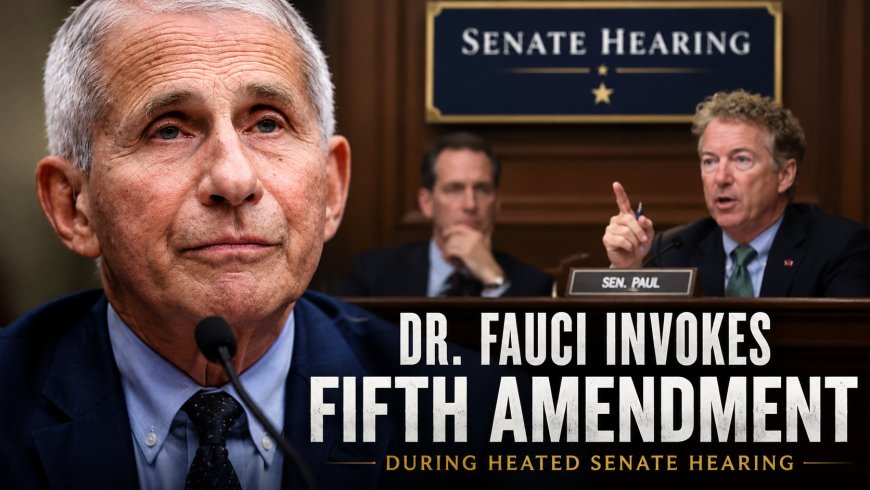
Dr. Fauci became the focus of national attention after invoking his Fifth Amendment right during a high-profile Senate hearing examining decisions made throughout the COVID-19 pandemic. The move immediately intensified political debate, fueled fresh questions about pandemic-era leadership, and renewed public interest in the legal protections available to witnesses appearing before Congress.
Why Dr. Fauci's testimony quickly became the day's biggest political story
The Senate hearing had already attracted significant attention before it began, with lawmakers promising to revisit controversial decisions made during the COVID-19 emergency. Interest surged even further when former National Institute of Allergy and Infectious Diseases Director Dr. Anthony Fauci declined to answer several questions by invoking his constitutional right against self-incrimination.
The hearing reflected years of political disagreement over pandemic policy. Republican members argued Americans deserve additional transparency regarding federal health guidance, scientific discussions during the early months of COVID-19, and government communication surrounding the origins of the virus. Democratic senators countered that the hearing focused more on political disputes than on improving future public health preparedness.
Televised exchanges between senators and Fauci quickly spread across television broadcasts and social media platforms, turning the hearing into one of the most discussed political events in the United States. Searches for terms such as "Fauci hearing," "Why is Fauci testifying?" and "Fauci Fifth Amendment" climbed sharply as viewers sought to understand the legal and political significance of the testimony.
What happened during the Senate hearing?
Committee members questioned Fauci about decisions made during the pandemic, internal scientific discussions, federal recommendations, and communications involving COVID-19 policy. The hearing included sharp exchanges between Fauci and several Republican senators, particularly Senator Rand Paul, who has repeatedly criticized Fauci's handling of pandemic-related issues.
When questioning moved toward subjects that could potentially have legal consequences, Fauci invoked the Fifth Amendment rather than provide direct responses. His attorney advised that the constitutional protection was appropriate under the circumstances.
The hearing immediately divided lawmakers. Republican members argued the public deserved complete answers regarding decisions that affected millions of Americans. Democratic senators maintained that witnesses have constitutional protections and criticized what they described as politically charged questioning.
The differing reactions highlighted how pandemic policy remains one of the most politically divisive issues years after the public health emergency officially ended.
Understanding the Fifth Amendment and why it matters
One of the biggest questions following the hearing was whether invoking the Fifth Amendment means someone is admitting guilt. Under U.S. constitutional law, the answer is no.
The Fifth Amendment protects individuals from being compelled to provide testimony that could later be used against them in criminal proceedings. Legal experts have long noted that many witnesses invoke this protection based on advice from counsel, even when no criminal charges have been filed.
Courts generally recognize this right as a fundamental constitutional safeguard rather than evidence of wrongdoing. At the same time, political hearings often produce public interpretations that differ from legal standards, allowing both supporters and critics to frame the decision according to their own arguments.
That distinction became one of the central themes of the hearing, with legal protections and political messaging unfolding simultaneously before a national audience.
Why lawmakers remain divided over the pandemic response
The latest hearing demonstrates that disagreements surrounding COVID-19 have evolved beyond public health and into broader debates about government accountability, scientific decision-making, transparency, and congressional oversight.
Republican lawmakers argued that Americans continue to seek answers about early pandemic decisions, public messaging, and research oversight. Several senators said Congress has a responsibility to examine whether mistakes were made and whether reforms are needed before another public health emergency occurs.
Democratic senators responded that Fauci served under multiple presidential administrations and dedicated decades to infectious disease research. They argued that many criticisms overlook the rapidly changing scientific understanding that existed during the earliest stages of the pandemic and warned against rewriting events through a political lens.
What this hearing could mean for future investigations
Although the hearing generated intense political attention, it does not by itself determine whether any legal action will follow. Congressional hearings are primarily designed to gather information, question witnesses, and recommend legislative or oversight actions. Any criminal investigation would require separate action by the appropriate law enforcement authorities.
Some state officials have already indicated they intend to continue reviewing aspects of the federal pandemic response, while members of Congress have suggested additional hearings could take place. Whether those inquiries produce new evidence or policy recommendations remains uncertain.
Legal analysts note that invoking the Fifth Amendment can complicate congressional investigations because lawmakers cannot compel testimony that may expose a witness to criminal liability. As a result, committees often rely more heavily on documents, emails, public records, and testimony from other witnesses to continue their work.
The hearing also renewed discussion about how future public health emergencies should be managed. Lawmakers from both parties acknowledged that improving transparency, strengthening oversight, and restoring public confidence in government institutions will likely remain priorities regardless of political differences.
Why the hearing is drawing so much public attention
Few public officials became as recognizable during the COVID-19 pandemic as Dr. Anthony Fauci. For years, he served as one of the federal government's leading medical voices, regularly appearing in public briefings and media interviews to explain evolving scientific guidance.
Supporters continue to credit Fauci for helping guide the nation through an unprecedented public health crisis, while critics argue that some government decisions deserve additional scrutiny. That divide explains why virtually every major development involving Fauci continues to generate nationwide headlines years after the pandemic.
The Senate hearing represents another chapter in that continuing debate. While lawmakers sharply disagreed over Fauci's testimony, both sides acknowledged that Americans continue seeking answers about one of the most consequential periods in modern public health history.
As additional investigations and congressional reviews continue, attention is likely to remain focused not only on Fauci but also on broader questions involving pandemic preparedness, scientific transparency, and the balance between emergency decision-making and government accountability.
Want to know more about the people involved? Read complete biographies at BiographyPoints.com
Frequently Asked Questions
Why is Fauci being questioned?
Senators questioned Dr. Anthony Fauci about decisions made during the COVID-19 pandemic, including federal health guidance, government communications, and oversight of pandemic-related policies. Republican lawmakers argued additional transparency is needed, while Democratic members said the hearing reflected ongoing political disagreements over the pandemic response.
Why did Fauci invoke the Fifth Amendment?
Dr. Fauci invoked the Fifth Amendment after advice from his legal counsel during questioning that could potentially expose him to legal risk. The Fifth Amendment protects individuals from being compelled to provide testimony that may be used against them in criminal proceedings. Invoking this constitutional protection is a legal right and does not, by itself, establish guilt or innocence.
What is Dr. Fauci accused of?
Several lawmakers have raised questions about Fauci's handling of pandemic-related decisions and government communications. Those criticisms remain the subject of political debate and ongoing investigations. To date, allegations discussed during congressional hearings should not be interpreted as proof of criminal wrongdoing unless established through the appropriate legal process.
What's Your Reaction?
 Like
0
 Dislike
0
 Love
0
 Funny
0
 Angry
0
 Sad
0
 Wow
0