Colt Gray Sentenced to Life Without Parole in Apalachee School Shooting
Colt Gray was sentenced to life without parole for the Apalachee High School shooting after a judge rejected defense arguments for rehabilitation.
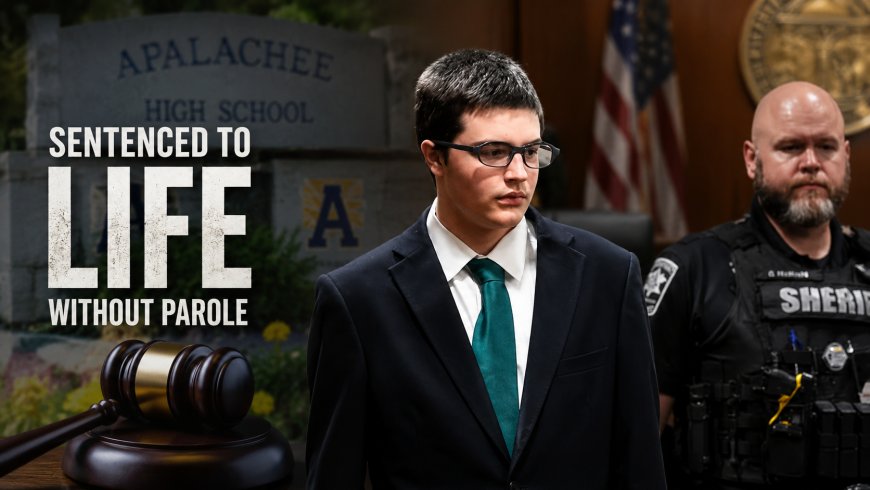
Colt Gray has been sentenced to life in prison without the possibility of parole for the deadly Apalachee High School shooting in Georgia. The decision follows a three-day sentencing hearing in which prosecutors argued the teenager carefully planned the attack, while defense attorneys said years of neglect and untreated mental illness should leave room for rehabilitation.
Judge says planning outweighed arguments for rehabilitation
Barrow County Superior Court Judge Nicholas Primm ruled that Gray will spend the rest of his life in prison without parole after reviewing extensive evidence presented by both sides. During the hearing, prosecutors described months of planning, online research and fascination with previous mass shootings, arguing the attack was intended to gain lasting notoriety.
Defense lawyers acknowledged the seriousness of the crimes but argued Gray's troubled upbringing, unstable home environment and untreated mental health problems should be considered because he was only 14 years old when the shooting occurred. They maintained that a juvenile offender could still be rehabilitated over time.
The judge ultimately rejected that argument, saying the evidence showed deliberate decision-making rather than impulsive behavior. He stated that while failures by adults around Gray were significant, they did not remove his personal responsibility for carrying out the attack.
The victims remembered during emotional sentencing hearing
The sentencing hearing included emotional statements from victims, survivors and relatives of those killed during the September 2024 shooting at Apalachee High School.
The attack claimed the lives of students Mason Schermerhorn and Christian Angulo, along with teachers Richard Aspinwall and Cristina Irimie. Nine other people were wounded. Family members described the lasting emotional, financial and psychological impact left by the tragedy, while survivors spoke about how their daily lives have changed since the shooting.
Judge Primm said the court had listened carefully to those affected before announcing the sentence.
Why Colt Gray could not receive the death penalty
Although prosecutors sought the toughest punishment available under Georgia law, the death penalty was never legally possible because Gray was 14 years old at the time of the shooting.
U.S. Supreme Court decisions prohibit capital punishment for crimes committed by juveniles. That left the court with two realistic sentencing options: life with the possibility of parole or life without parole.
After considering expert testimony, psychological evaluations and victim impact statements, the judge concluded that life without parole was the appropriate punishment.
Online evidence became a key part of the prosecution's case
One of the prosecution's strongest arguments focused on Gray's online activity before the attack. Prosecutors said digital evidence showed he admired previous mass shooters and wanted to become part of online communities that glorify such crimes.
The judge referenced Gray's own writings, saying they demonstrated a desire to be remembered through violence rather than acting during a brief emotional crisis. Prosecutors argued this planning distinguished the case from one driven solely by mental illness.
Defense attorneys responded that exposure to violent material was only one part of a much broader history involving neglect, instability and untreated psychological problems.
What happens next in the Apalachee case?
While Colt Gray's criminal case has reached its sentencing stage, legal proceedings connected to the shooting are not yet over. His father, Colin Gray, was separately convicted in connection with providing access to the firearm used in the attack and is scheduled to be sentenced in a separate hearing.
The Apalachee High School shooting also continues to influence discussions about school safety, parental responsibility, juvenile justice and online radicalization. Legal experts expect the case to remain part of national debates over preventing future school shootings and determining when juvenile offenders should receive the harshest available sentences.
Want to know more about the people involved? Read complete biographies at BiographyPoints.com
Frequently Asked Questions
What sentence did Colt Gray receive?
Colt Gray was sentenced to life in prison without the possibility of parole after pleading guilty to multiple charges related to the Apalachee High School shooting.
Why wasn't Colt Gray sentenced to death?
Gray was 14 years old when the shooting occurred. Under U.S. Supreme Court precedent, offenders who were juveniles at the time of their crimes cannot receive the death penalty.
Who were the victims of the Apalachee High School shooting?
The victims were students Mason Schermerhorn and Christian Angulo, along with teachers Richard Aspinwall and Cristina Irimie. Nine other people were injured during the attack.
What's Your Reaction?
 Like
0
 Dislike
0
 Love
0
 Funny
0
 Angry
0
 Sad
0
 Wow
0