Bear Onslaught: Grizzlies and Asian Bears Turn Deadly - Bio Points News
Shocking rise in bear attacks hits Canada and Japan hard—11 kids injured in a school attack, record deaths in rural villages. Governments deploy drones and hunters amid climate fears. Stay safe in the wild.
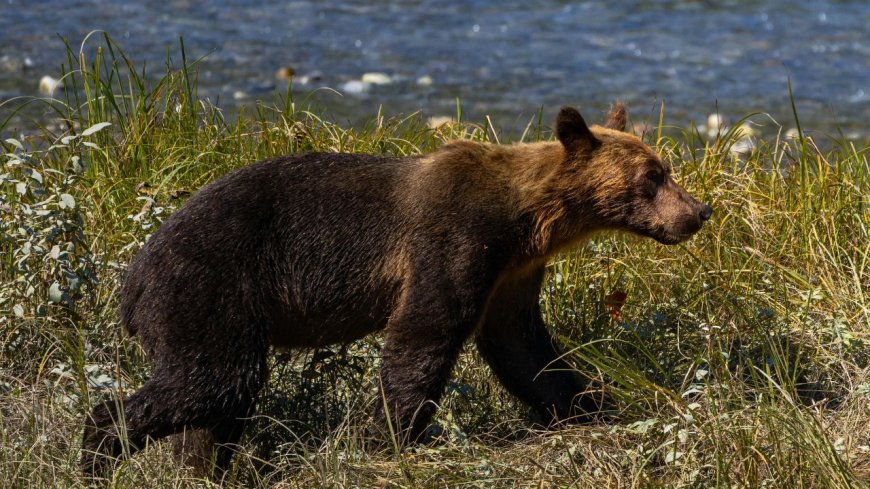
Bear Onslaught: Grizzlies and Asian Bears Turn Deadly
Bears are usually the stars of nature documentaries—majestic, sleepy giants hibernating through winter. But lately, they've been stepping out of the wild and into nightmares. In just the past few weeks, a wave of bear attacks has gripped parts of Canada and Japan, leaving communities on edge and governments scrambling. It's not just scary stories; it's a real surge that's injured dozens and claimed lives. Let's break it down simply, based on the latest reports as of November 23, 2025.
A Grizzly Horror in the Canadian Wilderness
Picture this: A group of elementary school kids on a fun field trip, hiking a peaceful trail in remote British Columbia. Suddenly, chaos. On November 21, a massive grizzly bear—likely a protective mother with her two cubs—charged at them without warning. Eleven people got hurt, including kids and teachers. Three children and one teacher had serious wounds, and two were in critical condition.
The attack happened in Bella Coola, a tiny coastal town surrounded by thick forests. The kids, about 20 in total from an elementary school, were just out for a walk when the bear struck. Teachers turned into instant heroes—one man faced the beast head-on to shield the group, taking bites and claws himself. Parents shared heartbreaking stories: One grandma posted pics of her granddaughter, who needed over 100 stitches. Another mom said her 10-year-old son was so close he could have touched the bear's fur before it lunged.
The bear's still out there, roaming free. Conservation officers from British Columbia's service are hunting it down with search teams, but the area's rugged terrain makes it tough. The local Nuxalk Nation, an Indigenous community, told everyone to stay indoors and not play hero by chasing the animal. The whole town went into lockdown, schools closed, and folks are whispering about how bear numbers have boomed here lately.
Why now? Experts point to shrinking habitats and bears getting bolder as food gets scarce. This isn't a one-off—British Columbia sees more grizzly run-ins each year, but attacking a school group? That's next-level terrifying.
Japan's Bear Boom: A Record-Breaking Nightmare
Halfway around the world, Japan is facing its own bear apocalypse. 2025 has been brutal: From April to now, at least 13 people have died from bear attacks, and over 100 are injured. That's double the worst year on record. October alone saw seven fatalities and 88 injuries—mostly in northern spots like Akita Prefecture, where black bears are spilling out of forests into farms and villages.
These aren't tourist traps; they're everyday folks—farmers picking crops, hikers on trails, even kids heading to school. One viral story: A bear wandered into a historic village spa town, sending tourists fleeing. Japan's bears are getting aggressive during "hyperphagia," the fall frenzy when they gorge before winter sleep. With acorns and berries failing due to weird weather, they're raiding human trash and, worse, attacking people.
The U.S. Embassy in Tokyo didn't wait around—they issued a stark travel warning on November 12 for Americans to steer clear of bear-hot zones. Canada and others followed suit. "Exercise increased caution," it says, highlighting northern rural areas. Media like CNN and The New York Times are calling it a "bear emergency," with reports of bears mauling victims in broad daylight.
How Governments Are Fighting Back
No one's sitting idle. In Canada, teams are combing the woods with guns and traps, urging locals to report sightings fast.
Japan's going high-tech and old-school:
- Barking drones: These gadgets buzz overhead, blasting dog barks to scare bears away from towns.
- Bear bells: Everyone's told to wear or carry bells that jingle, giving animals a heads-up so they don't surprise each other.
- Hunting shake-up: Laws are loosening—more permits for hunters, and even the army's pitching in with rifles. In Akita, soldiers are patrolling alongside police.
It's working a bit: Attacks dipped after drone tests, but experts say it's a band-aid. Over 220 injuries so far this year, per NHK news. Tourists are rethinking trips to scenic spots, and villages feel like war zones.
The Bigger Picture: Why Bears Are Pushing Back
This isn't random bad luck. Climate change is messing with bear diets—drier summers mean less wild food, pushing them closer to us. Human sprawl into forests doesn't help. In both countries, bear populations are healthy (maybe too healthy), but we're bumping elbows more.
So, what's the takeaway? If you're hiking anywhere wild, make noise, travel in groups, and carry bear spray. Governments are ramping up education, but it starts with us respecting their space.
These stories hit hard—kids scarred for life, families grieving. But they're a wake-up call: Nature's not a theme park. As bears adapt to our changing world, we need to adapt too. Stay alert out there.
What's Your Reaction?
 Like
0
 Dislike
0
 Love
0
 Funny
0
 Angry
0
 Sad
0
 Wow
0