MLB Trade Deadline: Why Contenders Are Chasing Key Upgrades
MLB trade deadline rumors are heating up as contenders target pitching, infield help and bullpen upgrades before August 3. Here's what matters.
The MLB trade deadline is entering its most important phase as contenders evaluate whether to make aggressive moves before the August 3 deadline. While much of the attention is focused on star players linked to trade rumors, front offices are increasingly targeting specific roster weaknesses that could determine postseason success. From pitching depth to middle-infield defense and late-inning relief, every move could reshape the playoff picture.
Why the MLB trade deadline is becoming more strategic than ever
Trade deadline headlines often revolve around superstar names, but executives across Major League Baseball are making decisions based on roster construction rather than popularity. Teams leading their divisions are searching for players who solve specific problems instead of simply adding the biggest available talent.
This year's market reflects that trend. Several contenders already possess strong lineups but continue looking for bullpen stability, defensive improvements, or another reliable starting pitcher. Those needs can be just as valuable in October as acquiring an All-Star hitter.
Another factor influencing negotiations is the limited number of sellers. With many clubs remaining within reach of a Wild Card spot, fewer organizations are willing to move impact players, creating a competitive market for premium talent.
Which players are drawing the most attention?
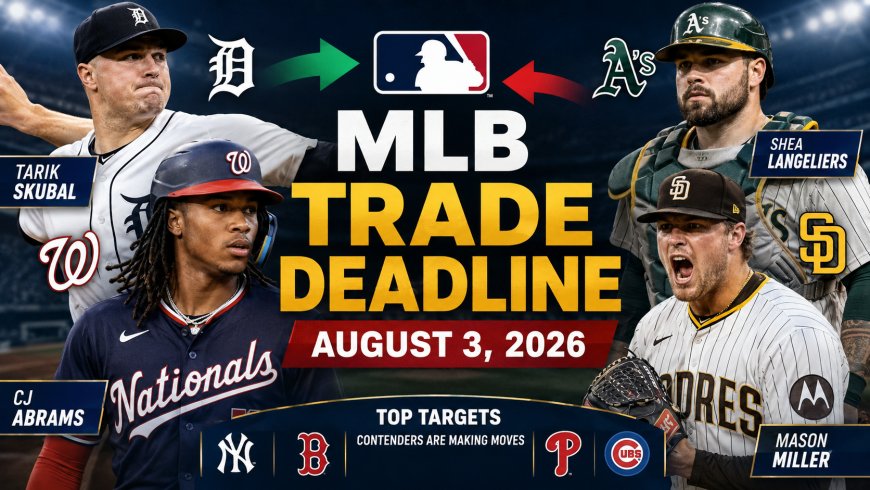
Among the most discussed names are Tigers ace Tarik Skubal, Nationals shortstop CJ Abrams, Athletics catcher Shea Langeliers, and Padres closer Mason Miller. Each fills a different need, making them attractive to contenders with varying roster priorities.
Skubal represents the type of frontline starter capable of changing a postseason rotation. Abrams offers athleticism, speed, and offensive production at shortstop, while Langeliers strengthens both offense and defense behind the plate. Miller remains one of baseball's most electric late-inning arms, making him valuable to clubs seeking bullpen dominance during the playoffs.
Whether these players are ultimately moved depends on negotiations, prospect packages, and each organization's long-term plans.
Why the Yankees, Red Sox and other contenders remain active
The New York Yankees continue evaluating ways to strengthen their offense while dealing with injuries and lineup inconsistency. Even a productive roster can benefit from another dependable bat capable of providing depth throughout a long postseason run.
The Boston Red Sox have also been connected with middle-infield improvements that could provide greater defensive reliability and offensive balance. Rather than making changes simply for headlines, the organization appears focused on upgrades that complement its existing roster.
Elsewhere, the Philadelphia Phillies and Chicago Cubs remain teams to watch. Both clubs have playoff aspirations and could pursue additional pitching or bullpen reinforcements depending on market availability.
Pitching continues to dominate trade conversations
If one trend has defined recent MLB deadlines, it is the premium placed on quality pitching. Starting pitchers capable of handling postseason pressure rarely become available, while dominant relievers can dramatically shorten games during October.
Because of that reality, clubs often pay significant prospect costs to acquire proven arms. Teams with championship ambitions understand that one additional starter or closer may provide more value than adding another everyday hitter.
This market reflects that same thinking, with pitching expected to command the strongest offers as the deadline approaches.
What fans should expect before August 3
History suggests many of the biggest deals may not occur until the final hours before the deadline. General managers typically continue negotiating while monitoring injuries, standings, and competing offers around the league.
Rumors will likely accelerate over the coming days, but not every reported discussion becomes a completed trade. Fans should expect a fast-moving period in which multiple contenders compete for the same players, driving up asking prices and creating unexpected outcomes.
Ultimately, the teams that address their biggest weaknesses—not simply those acquiring the most recognizable names—may be the ones best positioned for a deep postseason run.
Want to know more about the people involved? Read complete biographies at BiographyPoints.com
Frequently Asked Questions
When is the MLB trade deadline?
The 2026 MLB trade deadline is scheduled for August 3. Teams must complete trades before the official deadline unless league rules specify otherwise.
Which teams are expected to be most active?
The Yankees, Red Sox, Phillies, Cubs and several other playoff contenders are widely expected to remain active as they seek pitching, bullpen help and lineup improvements before the deadline.
Why are pitching upgrades so valuable?
Elite starting pitchers and shutdown relievers can have an outsized impact during the postseason, making them among the most sought-after assets during trade deadline negotiations.
What's Your Reaction?
 Like
0
 Dislike
0
 Love
0
 Funny
0
 Angry
0
 Sad
0
 Wow
0