Iran–Israel Conflict Escalates: Missiles Rain Down, Dozens Dead in Latest Strikes - Bio Points News
Tensions between Iran and Israel have escalated with deadly missile strikes, leaving dozens dead and hundreds injured amid growing regional fears.
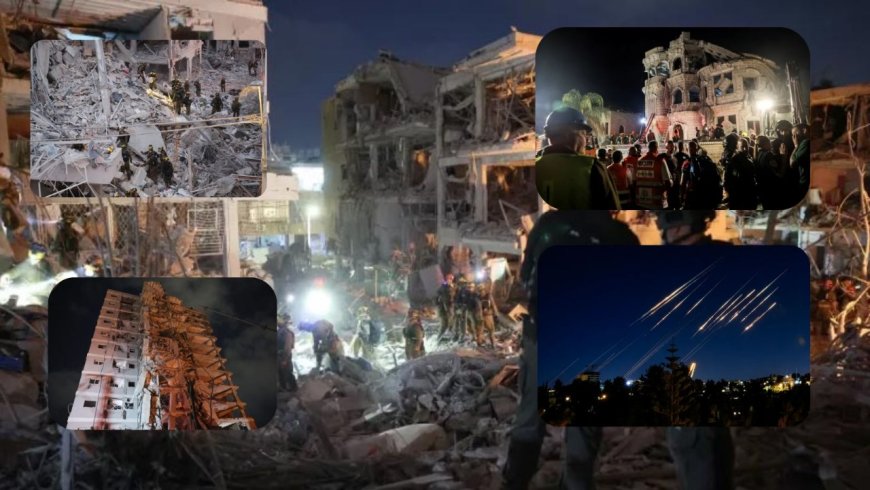
In a dangerous escalation of Middle Eastern tensions, Iran and Israel have exchanged deadly missile and drone attacks that have resulted in significant casualties and widespread destruction on both sides.
According to initial reports, Iran launched over 100 ballistic and hypersonic missiles targeting several Israeli cities including Tel Aviv, Haifa, and Tamra. The strikes left at least 14 Israeli citizens dead and over 200 injured, with key infrastructure including an oil refinery in Haifa severely damaged.
Civilians at Risk Amid Evacuations
In response to the growing threat, Israel issued emergency evacuation alerts to its residents, particularly in areas housing defense facilities. The announcement sparked fear of a new round of retaliatory strikes and led to panic across the region.
Iran, meanwhile, hinted at the possible closure of the strategic Strait of Hormuz, through which nearly 20% of global fuel trade passes, signaling potential consequences for international energy markets.
Damage on Both Sides
While Israel faced damage to its energy infrastructure and rising civilian casualties, Iran wasn’t spared either. Israeli missiles reportedly hit Tehran, Bandar Abbas, and Tabriz, causing severe damage to fuel depots and key military facilities.
Iranian sources claim over 135 people have been killed, including military officers and nuclear scientists, with 650 others injured. Fires broke out in several oil and gas installations, including the South Pars gas field, the largest of its kind globally.
High-Tech Missiles in Play
Iran deployed some of its most advanced ballistic technology, including the Emad, Ghadr, and Khyber-Shakan missiles. These long-range guided missiles are designed to evade radar systems and strike high-value military targets deep inside Israeli territory.
Military analysts note that Israel’s defense systems struggled to intercept these high-speed weapons, raising concerns about its preparedness for future large-scale assaults.
Israel Requests U.S. Support Amid Escalation
In a notable diplomatic development, Israel formally requested the United States to engage directly in the conflict. However, Washington has declined to take direct military action, instead relocating missile defense systems from Ukraine to the Middle East in a bid to assist its ally defensively.
U.S. officials confirmed the move, saying they are doing “everything possible” to protect Israeli interests without entering the war.
Regional Front Expands
Complicating matters further, Yemeni Houthi rebels launched a second wave of missile attacks on Israel, claiming solidarity with Palestine. Israeli defense forces acknowledged the assault, stating the origin of the latest attacks included Iran and Yemen, sparking fears of a broader regional war.
Iran Threatens to Exit Nuclear Treaty
Adding to global concerns, Iran’s UN envoy warned that the country may withdraw from the Nuclear Non-Proliferation Treaty (NPT) in response to Western sanctions. A letter submitted to the UN Security Council clearly outlines Iran’s position: if European powers continue to impose sanctions, Iran will take drastic diplomatic steps.
What's Your Reaction?
 Like
0
 Dislike
0
 Love
0
 Funny
0
 Angry
0
 Sad
0
 Wow
0