Iran-Israel Conflict Sparks Fuel Shortage Crisis in Balochistan - Bio Points News
The Iran-Israel conflict has triggered a severe fuel shortage in Pakistan’s Balochistan province, shutting down petrol stations and halting essential services across major cities.
Quetta – June 13, 2025:
The escalating armed conflict between Iran and Israel is beginning to cast its shadow on Pakistan, with Balochistan now facing a province-wide fuel crisis that is worsening by the hour.
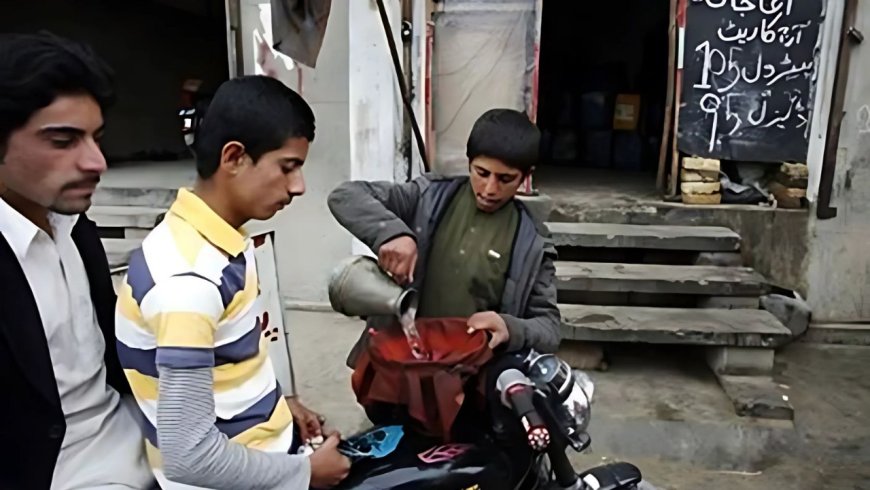
From Quetta to the remote districts of Turbat, Panjgur, Gwadar, and Chagai, petrol pumps are shutting down, transportation is stalling, and panic is spreading as residents rush to secure dwindling fuel supplies.
In Quetta alone, over 70% of petrol stations have already closed, with long queues forming at the few that remain open. Many fear that within the next 24 hours, the city could face a complete fuel blackout.
Border Closure Cuts Off Iranian Fuel Supply
The Balochistan government has sealed all key border crossings with Iran, halting not only regular travel but also the flow of Iranian petrol, which has long met a large portion of the province’s fuel needs.
Border routes in Turbat, Panjgur, Gwadar, and Chagai — crucial trade arteries — have been closed indefinitely in response to rising regional security threats.
Authorities in Chagai have confirmed the shutdown of the Mashkel border, a vital entry point for goods and fuel. Similarly, Gwadar’s deputy commissioner announced the suspension of travel and fuel transport through the Gabad-Kalatuk border, while Panjgur has enforced a total halt to pedestrian and vehicular movement across the Iranian border.
“Given the volatile international scenario, these are precautionary steps to safeguard national security,” said a Panjgur official.
Government Denies Crisis, Locals Disagree
Despite ground-level panic and growing shortages, official sources deny any fuel emergency. Government spokesperson Shahid Rind claimed the crisis narrative was being driven by petrol smugglers aiming to revive the illegal Iranian fuel trade.
He cited 28 fire incidents in the past month linked to smuggled fuel and insisted that crackdowns on mini petrol pumps were necessary for public safety.
“This crisis is being exaggerated. We are ensuring legal fuel supply across registered pumps,” Rind said.
He warned that petrol stations found hoarding fuel or refusing service would face strict legal action.
Reality on the Ground: Dry Pumps and Long Queues
However, the situation on the ground paints a grim picture. Reports from across Balochistan confirm that most petrol stations are out of fuel. In Makran, Chagai, and Quetta, residents are spending hours in lines with no guarantee of service.
Local administrations in Gwadar, Panjgur, and Chagai have issued public advisories urging people to avoid unnecessary travel and cooperate with authorities during this critical time.
The shutdown of Iranian fuel routes has not only sparked a transport crisis but also threatens to disrupt the supply of essential goods, including food and medicine, to border towns and remote villages.
Federal Government Response
In response to rising concerns, Federal Minister for Petroleum Ali Pervaiz Malik has dismissed nationwide fuel shortage rumours, stating that Pakistan has sufficient petroleum reserves to meet demand.
However, no clear measures have been announced to address Balochistan's regional supply issues or to resolve the dependence on cross-border fuel imports from Iran.
As the Iran-Israel conflict intensifies, its ripple effects are no longer limited to diplomacy and distant headlines. In Balochistan, the crisis is unfolding in real time — with dry petrol pumps, locked borders, silent markets, and a growing fear that daily life is slowly grinding to a halt.
What's Your Reaction?
 Like
0
 Dislike
0
 Love
0
 Funny
0
 Angry
0
 Sad
0
 Wow
0