UK Pioneers Gonorrhea Vaccine: Targets High-Risk Groups Amid Rising Cases - Bio Points News
The UK launches the world’s first gonorrhea vaccination program for gay and bisexual men, aiming to curb 85,000+ cases reported in 2023. Discover its impact and challenges.
UK’s Groundbreaking Gonorrhea Vaccine: A Step Forward in Sexual Health
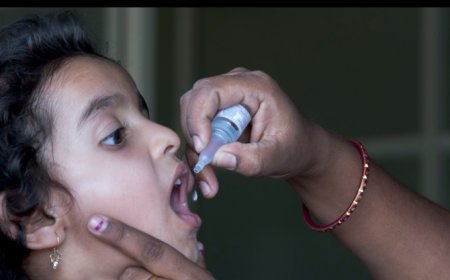
In a global first, the United Kingdom is set to roll out a routine vaccination program against gonorrhea, a sexually transmitted infection (STI) that has surged to its highest levels in over a century. Starting in August 2025, the National Health Service (NHS) will target gay and bisexual men at higher risk, aiming to curb the alarming rise of infections—over 85,000 cases were reported in 2023 alone. While the vaccine offers hope, its modest 30–40% efficacy and the growing threat of antibiotic resistance highlight the challenges in tackling this persistent public health crisis.
Understanding Gonorrhea: A Growing Threat
What Is Gonorrhea?
Gonorrhea, caused by the bacterium Neisseria gonorrhoeae, is a highly contagious STI spread primarily through unprotected vaginal, anal, or oral sex. Symptoms include painful urination, discharge, and, in women, pelvic pain, though many cases are asymptomatic, increasing transmission risk. If untreated, it can lead to severe complications like infertility, pelvic inflammatory disease, and increased HIV susceptibility. In 2023, the UK recorded 85,223 cases, the highest since 1918, with a 50% rise in diagnoses since 2012, according to the UK Health Security Agency (UKHSA).
Why the Concern?
The infection’s growing resistance to antibiotics is a major worry. Typically treated with a single dose of antibiotics like ceftriaxone, gonorrhea has developed resistance to multiple drugs over decades, raising fears it could become untreatable. The World Health Organization (WHO) estimates 82 million global cases annually, with resistant strains complicating treatment. In the UK, gay and bisexual men aged 16–25, particularly those of Black and Caribbean descent, are disproportionately affected, accounting for a significant portion of cases.
The UK’s Vaccination Program: A Targeted Approach
Who Will Get the Vaccine?
The NHS program, launching August 2025, will prioritize gay men and bisexual men with multiple sexual partners or a history of STIs. Unlike broad adolescent vaccination schemes, this initiative focuses on high-risk groups, though clinicians can offer it to others deemed vulnerable, such as sex workers or individuals with frequent unprotected sex. The program aims to reduce strain on sexual health services, with Imperial College London estimating a potential drop of 100,000 cases if uptake is high.
A Repurposed Vaccine
Interestingly, the vaccine wasn’t designed for gonorrhea. Originally developed to protect children against meningitis B, caused by Neisseria meningitidis, it works due to the genetic similarity between the two bacteria. Studies, including a 2023 trial in The Lancet, showed the Bexsero vaccine reduces gonorrhea incidence by 30–40%. While not a silver bullet, experts like Professor Andrew Pollard, chair of the Joint Committee on Vaccination and Immunisation (JCVI), praise its potential to “have a huge impact” on case numbers.
Challenges and Limitations
Modest Efficacy and Unknown Duration
At 30–40% efficacy, the vaccine offers partial protection, meaning safe sex practices like condom use remain critical. Dr. Amanda Doyle, NHS England’s national director for primary care, emphasized that the vaccine “won’t eliminate the risk” of infection. The duration of protection is unclear, and booster shots may be needed, though research is ongoing. Priced at £8 per dose, the program’s cost-effectiveness depends on sustained impact, with the NHS planning to monitor outcomes closely.
Antibiotic Resistance Looms
The rise of multidrug-resistant gonorrhea strains complicates treatment. A 2024 UKHSA report noted increased resistance to azithromycin, a key antibiotic, with 10% of cases showing reduced susceptibility. This underscores the vaccine’s importance as a preventive tool, but also the urgency of developing new treatments. Posts on X, like @DrJenGunter’s, highlight fears that “super gonorrhea” could soon outpace medical solutions, amplifying the need for proactive measures.
Public and Expert Reactions
A Survivor’s Perspective
Max, a sexual health campaigner who contracted gonorrhea twice in 2024, welcomed the vaccine to BBC Newsbeat. “I’d 100% get it,” he said, noting it could ease pressure on overwhelmed sexual health clinics. His experience—painful symptoms and stigma—reflects the personal toll of the infection, driving his advocacy for prevention. On X, users like @HIV_Insight praised the program as a “game-changer,” though @STIfreeUK cautioned that low efficacy requires ongoing education about safe sex.
Political and Social Context
The program has sparked debate. Some, like @HealthEquityNow on X, argue it should extend to all teenagers to maximize impact, while others, including @NHSWatchdog, question the focus on specific groups, fearing stigma. Health officials counter that targeting high-risk populations is evidence-based, citing JCVI data showing gay and bisexual men account for 60% of UK cases despite being a small demographic. The NHS plans awareness campaigns to ensure equitable access and reduce misconceptions.
The Bigger Picture: A Global Health Priority
A Model for Other Nations?
The UK’s pioneering program could inspire other countries grappling with gonorrhea’s rise. Australia and Canada are exploring similar uses of the Bexsero vaccine, with trials underway. The WHO has called for global action on STIs, noting their $1 trillion economic burden by 2030 if unchecked. The UK’s move, backed by £2 million in initial funding, sets a precedent for integrating STI prevention into public health strategies.
Beyond Vaccination: Holistic Solutions
Experts stress that vaccination is only part of the solution. Comprehensive sexual health education, increased testing, and accessible treatment are vital. The NHS is expanding clinic hours and promoting home STI testing kits to complement the vaccine rollout. Dr. Doyle underscored the program’s role in “protecting people and stopping the spread,” but urged continued vigilance. On X, @SexHealthUK echoed this, advocating for “condoms, testing, and vaccines” as a triple defense.
What’s Next for the UK’s Fight Against Gonorrhea?
The UK’s gonorrhea vaccination program is a landmark step, offering hope in the face of rising infections and antibiotic resistance. While its limited efficacy and targeted approach have sparked debate, the initiative reflects a proactive commitment to sexual health. As the NHS prepares for the August launch, the world watches to see if this bold experiment can curb a growing epidemic—and whether it can inspire global change.
For more updates on health innovations and digital trends, visit Bio Points News.
What's Your Reaction?
 Like
0
 Dislike
0
 Love
0
 Funny
0
 Angry
0
 Sad
0
 Wow
0