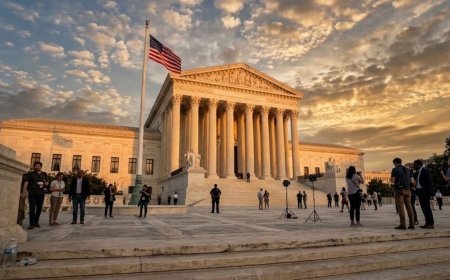
Rand Paul Hearing: Why Fauci Invoked the Fifth Amendment
Rand Paul questioned Dr. Anthony Fauci during a Senate hearing after diary releases. Learn why Fauci invoked the Fifth Amendment and what comes next.
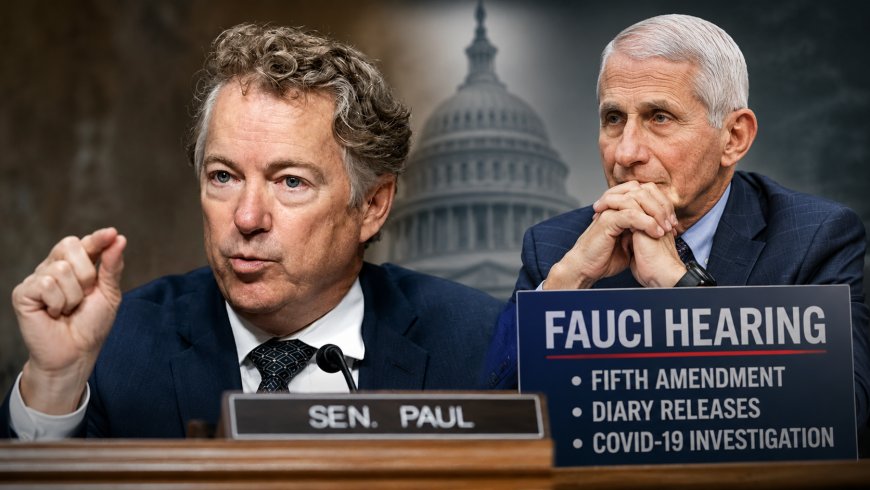
Rand Paul's Senate hearing with Dr. Anthony Fauci became one of the most closely watched political events of the day after Fauci invoked his Fifth Amendment right instead of answering questions about his handling of the COVID-19 pandemic. The hearing followed the public release of thousands of pages of Fauci's personal diary entries, adding fresh political attention to a long-running dispute between the former health official and Republican lawmakers.
Why did Rand Paul call Dr. Fauci back before the Senate?
Senator Rand Paul, chairman of the Senate Homeland Security and Governmental Affairs Committee, has spent years questioning decisions made during the COVID-19 pandemic. The latest hearing focused on issues ranging from the government's pandemic response to questions surrounding the origins of the coronavirus and previous public statements made by Fauci.
The hearing came shortly after Paul released more than 1,100 pages of Fauci's private diary entries along with additional government documents. According to Paul, the records provide insight into Fauci's thinking during the pandemic and raise new questions about the government's handling of scientific information. Fauci has strongly disputed accusations that he intentionally misled the public.
Why did Fauci invoke the Fifth Amendment?
Rather than answering lawmakers' questions, Fauci relied on the Fifth Amendment to the U.S. Constitution after consulting with his legal team. In an opening statement, he criticized what he described as years of politically motivated investigations and said he believed the hearing was designed to intimidate and damage his reputation.
The Fifth Amendment protects individuals from being forced to provide testimony that could later be used against them in criminal proceedings. Legal experts frequently note that invoking this constitutional right should not automatically be interpreted as an admission of guilt. Americans regularly exercise the same protection in court proceedings and congressional investigations.
How the newly released diaries changed the political debate
The release of Fauci's personal journals added a new dimension to the Senate hearing. The entries reportedly describe his private reactions to becoming one of the world's most recognized public health officials during the pandemic. They also include his thoughts on interactions with then-President Donald Trump, media attention, and internal discussions about the possible origins of COVID-19.
Republican lawmakers argue the documents deserve closer public examination because they may provide additional context to decisions made during the pandemic. Fauci's supporters, however, argue that selective publication of personal writings risks creating misleading impressions when removed from their full context.
Years of conflict between Rand Paul and Fauci
The disagreement between Rand Paul and Anthony Fauci is not new. Throughout the pandemic, the two repeatedly clashed during congressional hearings over mask guidance, vaccine recommendations, research funding, and the theory that COVID-19 may have originated from a laboratory.
Those exchanges often became some of the most widely viewed moments from congressional oversight hearings. Wednesday's hearing represented another chapter in that long-running political conflict, although this time Fauci declined to answer questions directly.
What could happen after the hearing?
At present, the Senate committee can continue reviewing documents, interview additional witnesses, and release further findings related to its investigation. Lawmakers may also seek more government records connected to pandemic decision-making.
Whether the hearing results in additional legal action remains uncertain. Any future developments would depend on evidence gathered during ongoing congressional investigations and decisions by relevant legal authorities. For now, the hearing is likely to fuel continued political debate over the government's response to COVID-19 and public trust in federal health institutions.
Want to know more about the people involved? Read complete biographies at BiographyPoints.com
Frequently Asked Questions
Why is Dr. Fauci testifying?
Dr. Fauci was subpoenaed to appear before the Senate committee investigating decisions made during the COVID-19 pandemic, including questions about virus origins, government policies, and previous public statements.
What does the Fifth Amendment protect?
The Fifth Amendment protects people from being compelled to provide testimony that could incriminate themselves. Exercising this constitutional right does not by itself establish guilt or innocence.
What are Fauci's diary entries about?
The released journals describe Fauci's experiences during the pandemic, including his reactions to public attention, interactions with political leaders, and private observations about major events that unfolded between 2019 and his retirement.
What's Your Reaction?
 Like
0
 Dislike
0
 Love
0
 Funny
0
 Angry
0
 Sad
0
 Wow
0