John Thune-Donald Trump Communication Rift Raises GOP Questions
John Thune Donald Trump communication tensions are raising fresh questions about GOP unity, Senate strategy, and the 2026 midterm election outlook.
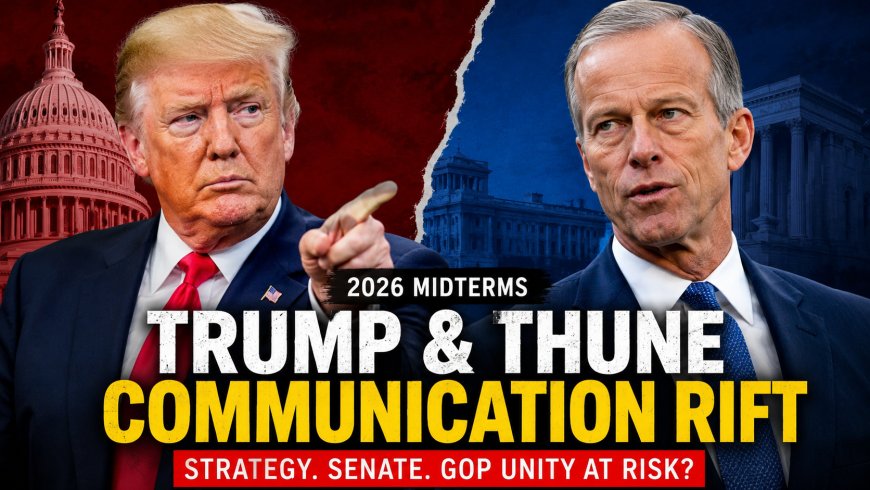
The growing John Thune Donald Trump communication divide has become one of the most closely watched political developments in Washington as Republicans prepare for the 2026 midterm elections. While both leaders remain influential within the GOP, recent disagreements over election strategy, Senate priorities, and party messaging have fueled questions about whether Republican leaders can maintain unity during an important legislative period.
Why the communication gap matters beyond political headlines
Political disagreements between party leaders are not unusual, but the relationship between Senate Majority Leader John Thune and former President Donald Trump carries greater importance because each represents a different center of influence within today's Republican Party. Thune leads the Senate conference and focuses on legislative strategy, while Trump continues to shape Republican primary politics through endorsements and public messaging.
The latest reports suggest that disagreements are extending beyond campaign politics into broader questions about how Republicans should govern while holding a narrow Senate majority. That makes communication between the two figures especially significant as Congress faces difficult votes on federal spending, budget negotiations, and other major legislation.
Rather than simply reflecting personal differences, the debate illustrates competing visions for how Republicans can expand support ahead of the midterm elections while maintaining enthusiasm among core conservative voters.
Different strategies for the 2026 midterm elections
One of the central disagreements involves candidate selection and campaign strategy. Reports indicate that Thune has encouraged support for Republican candidates who can compete strongly in swing states and suburban districts where general elections are often decided. Trump, meanwhile, has continued emphasizing candidates closely aligned with his political movement and campaign platform.
This strategic difference reflects a long-running debate inside the Republican Party. Some leaders believe expanding support among independent voters offers the strongest path to maintaining congressional majorities, while others argue that maximizing turnout among loyal Republican voters remains the most effective strategy.
Political analysts note that both approaches have produced successful election results in different states, making the debate one of strategy rather than ideology alone.
How Senate business could be affected
The timing of these reports is important because Congress is also working through spending legislation and budget negotiations. Senate leaders must balance fiscal priorities, government funding deadlines, and differing views inside the Republican conference.
If communication between influential party figures becomes increasingly strained, reaching consensus on major legislative priorities may become more difficult. Lawmakers often rely on unified messaging to build support for complex bills, particularly when vote margins are narrow.
Political observers therefore see the communication issue as more than a campaign story. It could influence negotiations on spending packages, committee priorities, and the broader legislative agenda during the remainder of the congressional session.
What Republican lawmakers are watching
Many Republican senators are attempting to avoid taking public sides while focusing on advancing legislation. Party officials generally recognize that internal disagreements are common in major political parties, but prolonged public disputes can distract from policy priorities and campaign messaging.
The challenge for Senate leadership is maintaining enough unity to pass legislation while respecting the influence Trump continues to hold among Republican voters nationwide. Balancing those interests will likely remain one of the defining political tests leading into the 2026 elections.
What happens next?
The coming weeks could determine whether recent tensions represent a temporary disagreement or a longer-term strategic divide. Upcoming Senate negotiations, candidate endorsements, and public appearances by both leaders will likely provide clearer signals about the direction of Republican leadership.
Regardless of how the relationship develops, the communication between John Thune and Donald Trump will remain an important factor influencing both congressional politics and Republican election planning through the remainder of the campaign cycle.
Want to know more about the people involved? Read complete biographies at BiographyPoints.com
Frequently Asked Questions
Why is John Thune and Donald Trump's communication making headlines?
The issue has attracted attention because reports describe disagreements over Republican election strategy, Senate leadership priorities, and legislative messaging ahead of the 2026 midterm elections. Their relationship could influence both congressional negotiations and campaign planning.
Does this disagreement affect Republican Senate leadership?
There is no indication that Senate leadership is changing. However, continued strategic disagreements could make it more challenging for Republican leaders to maintain unified messaging while advancing legislation and preparing for upcoming elections.
Could these tensions impact the 2026 midterm elections?
Political analysts believe party unity often plays an important role during election cycles. Whether the current disagreements continue or are resolved could influence campaign strategy, candidate recruitment, and voter messaging in competitive races.
What's Your Reaction?
 Like
0
 Dislike
0
 Love
0
 Funny
0
 Angry
0
 Sad
0
 Wow
0