Johnny Cash Estate Sues Coca-Cola Over Voice Misuse - Bio Points New
The Johnny Cash estate has sued Coca-Cola for using a sound-alike voice in an ad without permission, citing the new ELVIS Act protecting artists' voices.
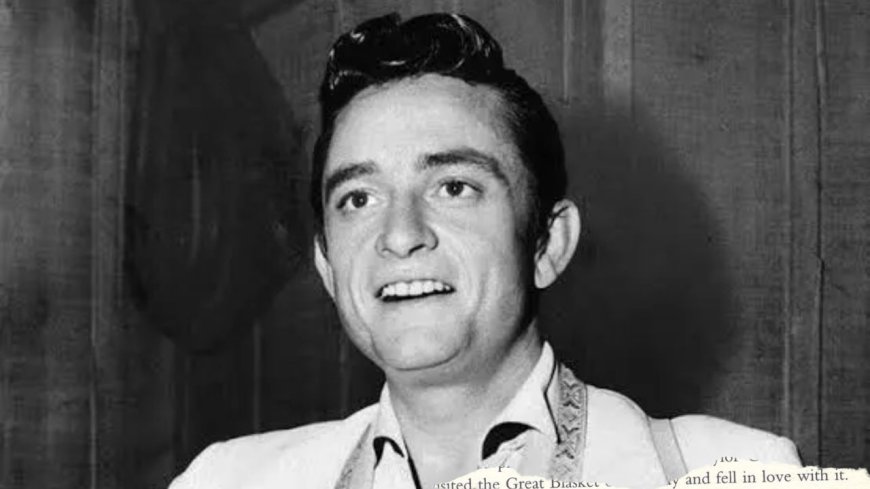
Johnny Cash Estate Sues Coca-Cola Over Voice Misuse Under New ELVIS Act
The estate of legendary country singer Johnny Cash has filed a lawsuit against Coca-Cola, accusing the company of using a sound-alike voice in a recent advertisement without proper authorization. The case has quickly become one of the most important early tests of the newly enacted ELVIS Act, a law designed to protect artists’ voices, likeness, and identity from unauthorized commercial use.
Background of the Controversy
During the 2025 college football season, Coca-Cola released an ad as part of its “Fan Work Is Thirsty Work” campaign. The commercial featured a tribute singer whose voice closely resembled Johnny Cash’s deep, iconic vocal style.
Although the singer was not Johnny Cash, the estate argues that Coca-Cola intentionally used a voice designed to mimic the late artist’s unmistakable tone—without securing permission or providing compensation.
Legal Basis: The ELVIS Act
The lawsuit was filed in Nashville, Tennessee, under the ELVIS Act (Ensuring Likeness, Voice and Image Security Act), which took effect in July 2024.
This law specifically protects artists from:
-
Unauthorized use of their real voice
-
AI-generated imitations
-
Sound-alike or tribute vocal performances used for commercial benefit
According to the complaint, using a similar voice without approval violates both the artist’s identity and their commercial rights.
Claims Made by the Johnny Cash Estate
The estate argues that Coca-Cola's use of a Cash-like voice amounts to voice piracy and identity theft. Their legal filing states that copying an artist’s distinctive voice is a direct violation of their rights and dignity.
The estate is seeking:
-
A court order to stop Coca-Cola from using or distributing the advertisement
-
Financial damages, including compensation and potentially punitive damages
The estate emphasized that an artist’s voice is an irreplaceable part of their legacy—and imitating it without consent is unacceptable.
Coca-Cola’s Position
As of now, Coca-Cola has not issued any public statement regarding the lawsuit. The tribute singer’s management has stated that they were hired legitimately for a professional recording job, but the broader legal question remains whether the use itself was lawful under the ELVIS Act.
Why This Case Matters
This lawsuit is expected to set an important precedent for the future of advertising, music rights, and AI-generated audio. Key reasons why the case is significant include:
-
It tests how strongly the ELVIS Act protects an artist’s voice.
-
It may influence how brands use tribute singers or AI voices.
-
It could reshape rules for advertising agencies and entertainment companies.
-
It highlights rising concerns over voice identity in the age of AI and digital replication.
If the court rules in favor of the Johnny Cash estate, advertisers may face stricter restrictions on sound-alike vocals and AI-generated voices.
The dispute between the Johnny Cash estate and Coca-Cola goes beyond a single commercial—it represents a larger battle for artist protection in an era where voices can be imitated more easily than ever before. The case’s outcome could redefine how the music, advertising, and AI industries handle voice usage in the future.
What's Your Reaction?
 Like
0
 Dislike
0
 Love
0
 Funny
0
 Angry
0
 Sad
0
 Wow
0