AI Password Generators Are Not Safe, Warns Kaspersky - Bio Points News
On World Password Day, Kaspersky warns AI-generated passwords may be weaker than expected and urges users to adopt secure password managers.
AI-Generated Passwords May Not Be as Secure as They Seem, Kaspersky Warns
On this year’s World Password Day, global cybersecurity firm Kaspersky has sounded the alarm for users relying on AI-generated passwords, highlighting potential risks to online safety.
In a rapidly digitalizing world, creating and managing strong passwords remains one of the most critical elements of cybersecurity. While artificial intelligence (AI) tools have made everyday digital tasks easier, experts now caution that when it comes to passwords, relying on AI may actually be making users more vulnerable.
Why Password Security Still Matters in 2025
Despite advancements in biometric authentication and two-factor security, passwords continue to serve as the primary defense for most online accounts. Weak or predictable passwords open the door for cybercriminals, allowing them to access sensitive personal information or even gain entry to multiple platforms if the same password is reused.
AI Password Generators: A Convenient but Risky Shortcut
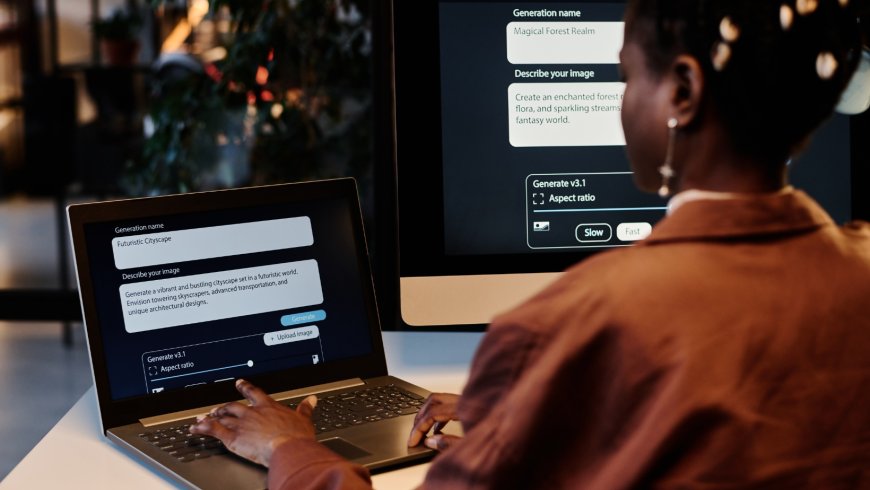
The growing popularity of large language models (LLMs) like ChatGPT, Llama, and DeepSec has led many users to experiment with AI-powered password generation. These tools offer quick, complex-looking passwords without the mental effort — but are they truly secure?
The Kaspersky Experiment
Alexey Antonov, Head of Data Science at Kaspersky, recently put these AI tools to the test by generating 1,000 passwords using some of the most prominent language models:
-
ChatGPT (by OpenAI)
-
Llama (by Meta Group)
-
DeepSec (a newer entrant from China)
The Alarming Results of AI-Generated Password Tests
While AI models technically understand the criteria for strong passwords — at least 12 characters long, containing a mix of uppercase, lowercase, numbers, and special characters — real-world results proved disappointing.
Key Findings:
-
ChatGPT occasionally created passwords shorter than 12 characters.
-
Many passwords from all models lacked special characters or numbers.
-
A 2024 machine learning algorithm developed by Antonov found that:
-
60% of passwords overall could be cracked within an hour using modern GPU or cloud-based cracking tools.
-
88% of passwords from DeepSec and 87% from Llama failed to meet acceptable strength levels.
-
Even ChatGPT fell short in 33% of cases, producing passwords not strong enough to pass Kaspersky’s security tests.
-
Kaspersky’s Expert Advice: Don’t Rely Solely on AI
Following these findings, Kaspersky recommends steering clear of AI-generated passwords for serious online accounts. Instead, they advise users to:
-
Manually create strong, unique passwords following cybersecurity best practices.
-
Use dedicated password management software like Kaspersky Password Manager, which offers:
-
Secure, random password generation.
-
Encrypted storage for login credentials.
-
Automatic and safe login without manual entry risks.
-
Why Password Managers Are a Better Choice:
-
Built for security first, unlike generic AI models.
-
Regularly updated against emerging threats.
-
Simplify password management across multiple accounts.
What's Your Reaction?
 Like
0
 Dislike
0
 Love
0
 Funny
0
 Angry
0
 Sad
0
 Wow
0